Why does that happen? And is it true that washing your hair less often will eventually make it stay clean longer?
Picture this: you have a date tonight. You stand in front of the mirror, ready to style your hair, and realise it already looks less than fresh.
But you only washed it yesterday!
A quick internet search brings up familiar advice: “Stop washing your hair every day.” “Try going a whole week without shampoo.” “Your scalp will eventually get used to it.”
It sounds tempting, especially if you're tired of washing and styling your hair so frequently.
But can you really train your hair to produce less oil?
Why does hair become greasy so quickly?
Your scalp contains sebaceous glands that produce sebum, a natural oil that helps protect and lubricate your skin.
The trouble starts when that oil becomes particularly noticeable.
And that happens at different rates for different people.
Sebum production is influenced by hormones and individual characteristics. Hair texture and thickness also affect how quickly oiliness becomes visible.
For example, fine, straight hair may look greasy sooner than thick, curly hair because oil is often more noticeable along the strands.
Two friends might wash their hair at exactly the same time, yet the next day one still has fresh-looking roots while the other is reaching for a hair tie.
That doesn't necessarily mean one of them has a better hair-care routine.
Can you train your hair to become less oily?
Here's where things get interesting.
You've probably heard someone suggest washing your hair only once a week for a month, promising that your scalp will eventually stop producing so much oil.
Unfortunately, sebaceous glands don't work like that.
They don't automatically reduce sebum production simply because you've decided to use shampoo less often.
If your scalp is naturally oily, longer gaps between washes won't necessarily change it.
Meanwhile, sebum, sweat and styling-product residue can accumulate on your scalp.
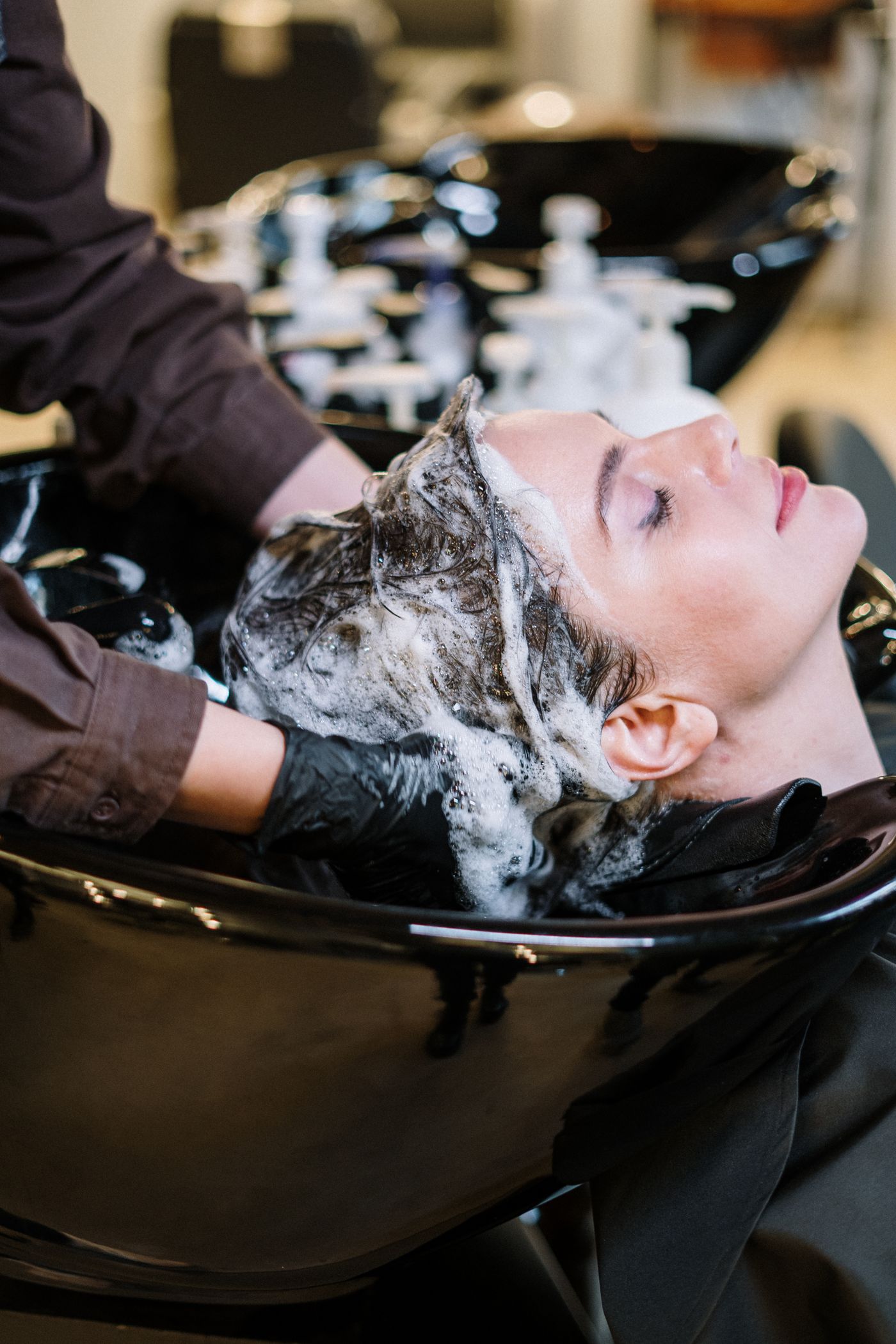
The American Academy of Dermatology recommends choosing how often to wash based on your hair type and scalp condition rather than following one rule for everyone. Daily washing can be appropriate for people with oily scalps.
So there's no reason to spend a week feeling uncomfortable just to supposedly retrain your hair.
If washing every day works for you and your shampoo doesn't cause irritation, that's perfectly reasonable.
Five habits that can make your hair look greasy sooner
Sometimes it's not only about how much oil your scalp produces. Your routine can also affect how fresh your hair looks.
1. Applying conditioner directly to your roots.
Rich conditioners can make fine or oily hair look flat and heavy when applied close to the scalp.
Try concentrating conditioner on the mid-lengths and ends instead.
2. Using too many styling products.
Leave-in creams, oils and thick serums can weigh your hair down, particularly when used near the roots.
3. Not rinsing your scalp thoroughly.
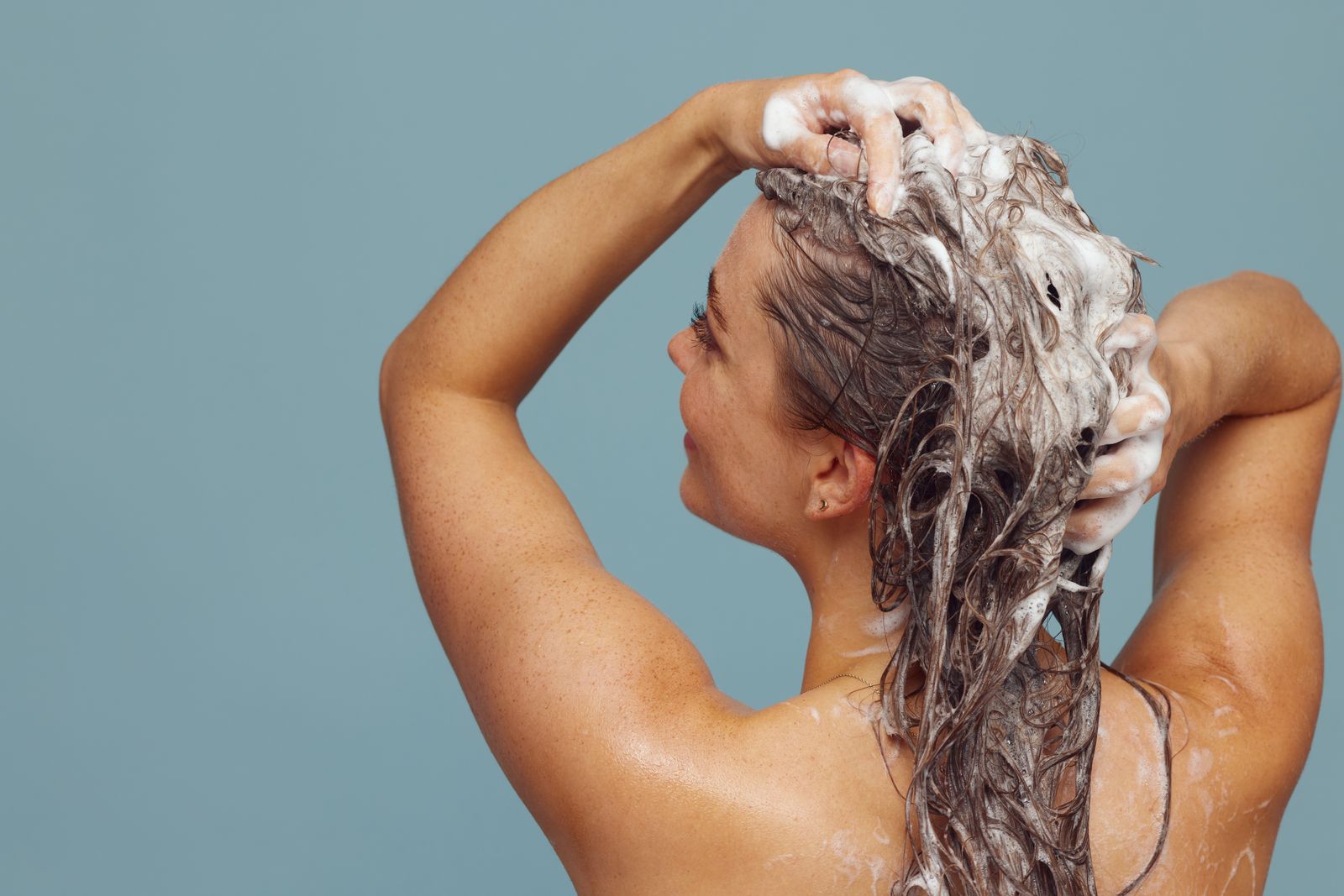
Shampoo is primarily for cleaning the scalp. There's no need to scrub the entire length of your hair aggressively.
Massage gently with your fingertips and rinse thoroughly.
4. Touching your hair constantly.
Adjusting your fringe, twisting strands around your fingers or smoothing your roots throughout the day can transfer oil and product residue from your hands.
5. Treating dry shampoo as a replacement for washing.
Dry shampoo can temporarily absorb oil and improve the appearance of your hair.
But it doesn't clean your scalp in the same way as washing with water and shampoo.
Think of it as an occasional convenience, not a complete replacement for your usual wash.
What kind of shampoo should you use?
You don't necessarily need an expensive shampoo promising “72 hours of freshness”.
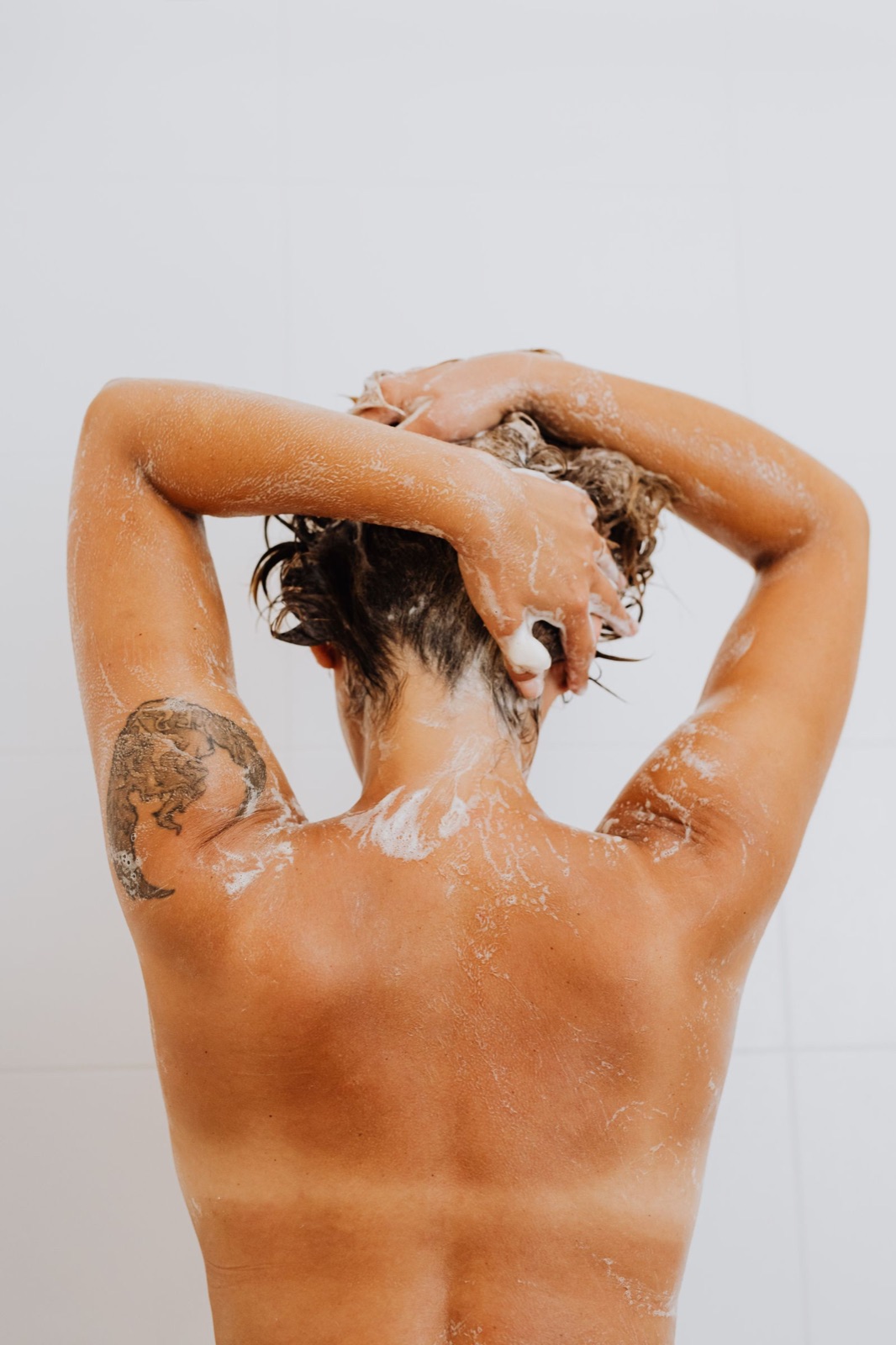
Start with something straightforward: choose a shampoo that cleans your scalp effectively without causing burning, tightness or persistent itching.
If your roots become greasy quickly but your ends feel dry, there's no need to cleanse the whole length of your hair equally aggressively.
Focus shampoo on your scalp and apply conditioner where your hair needs extra moisture.
And don't assume a higher price means a shampoo will change how much oil your sebaceous glands produce.
Its main job is to clean.
When should you see a dermatologist?
Greasy hair by itself usually isn't a medical problem.
But significant itching, redness, soreness or heavy flaking may suggest something beyond your usual hair-care needs.
For example, seborrhoeic dermatitis and other scalp conditions can produce similar symptoms.
If dandruff continues despite several weeks of suitable care, your scalp becomes inflamed or symptoms worsen, seek medical advice.
Don't rely entirely on homemade masks or social-media remedies to treat persistent scalp problems.
So how often should you actually wash your hair?
The answer is simpler than most internet advice suggests: as often as your scalp and hair need it.
Some people are comfortable washing twice a week. Others prefer washing every day.
You don't need to put up with greasy hair just to follow someone else's idea of the perfect routine.
Perhaps your hair will never look freshly washed for four days in a row.
That doesn't mean there's anything wrong with it.
Sometimes the best hair-care routine isn't a new online experiment.
It's simply washing your hair when it needs washing, with a shampoo that suits you.
Sources & further reading
General information only; not medical, legal or financial advice.