Hair can feel smooth immediately after a mask and rough again the next morning. That does not necessarily mean the product failed—or that the hair is unhealthy at the root.
The visible length is exposed to water, heat, colour, clothing and brushing for months or years. Care can reduce friction and improve feel, but it cannot permanently restore an already damaged fibre.
Dryness and breakage leave different clues
Dry hair usually describes how the length feels: rough, dull, tangly or prone to static. Breakage is physical snapping. You may notice shorter pieces, uneven ends or a cloud of little hairs that lack the bulb sometimes seen on a naturally shed strand.
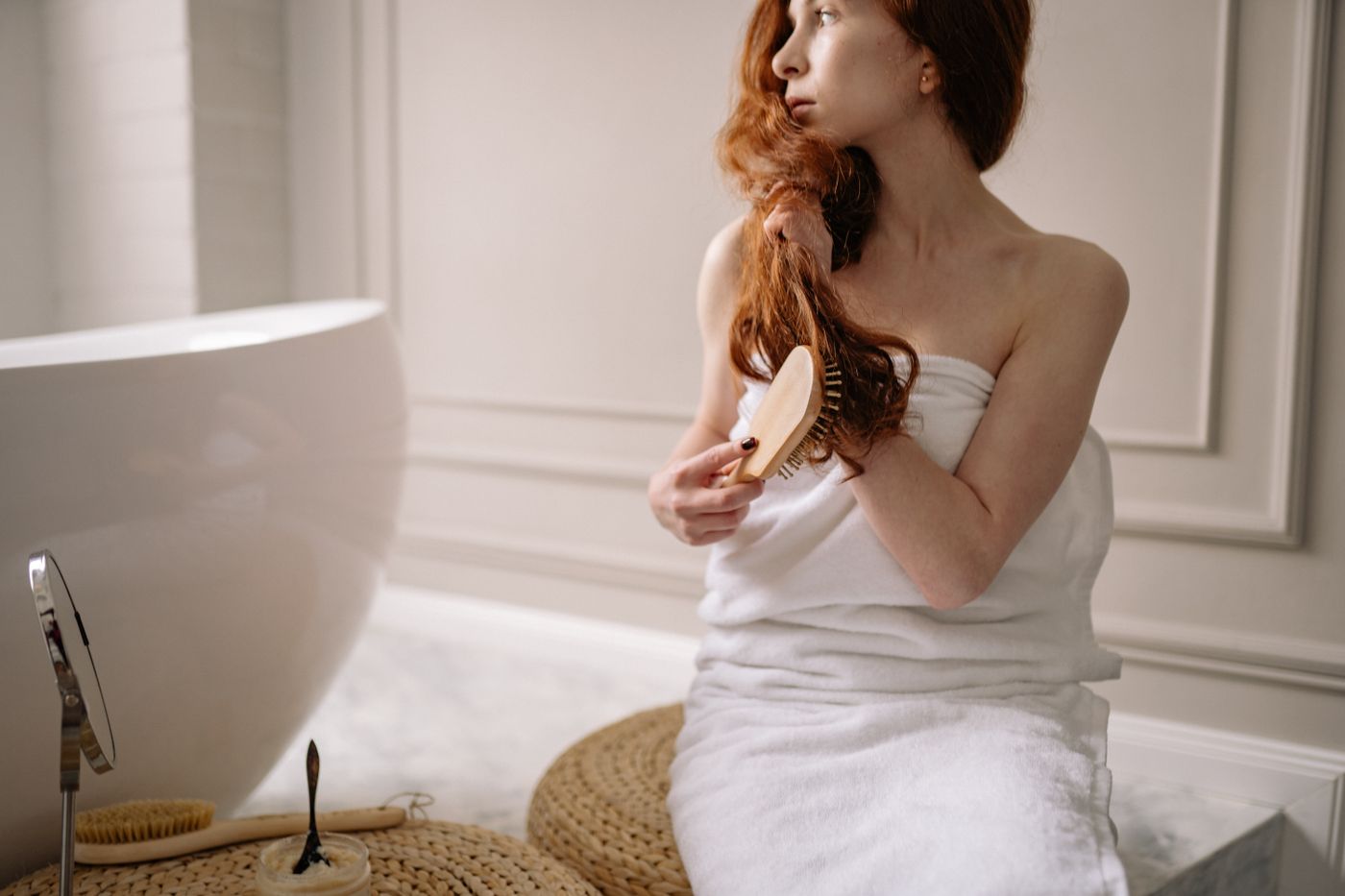
Hair coming from the root is a different process. A full-length strand released from the scalp is not the same as a fragment breaking halfway down. If shedding suddenly increases, patches appear, or the scalp is painful or inflamed, home conditioning is not the right diagnostic tool.
| What you notice | More consistent with | Useful next step |
|---|---|---|
| Rough, tangled lengths | Dryness or surface wear | Condition and reduce friction |
| Short pieces and uneven ends | Breakage | Pause damage and trim if needed |
| Many full-length hairs from the root | Shedding | Track the change; seek advice if persistent |
Why a mask cannot guarantee permanent smoothness
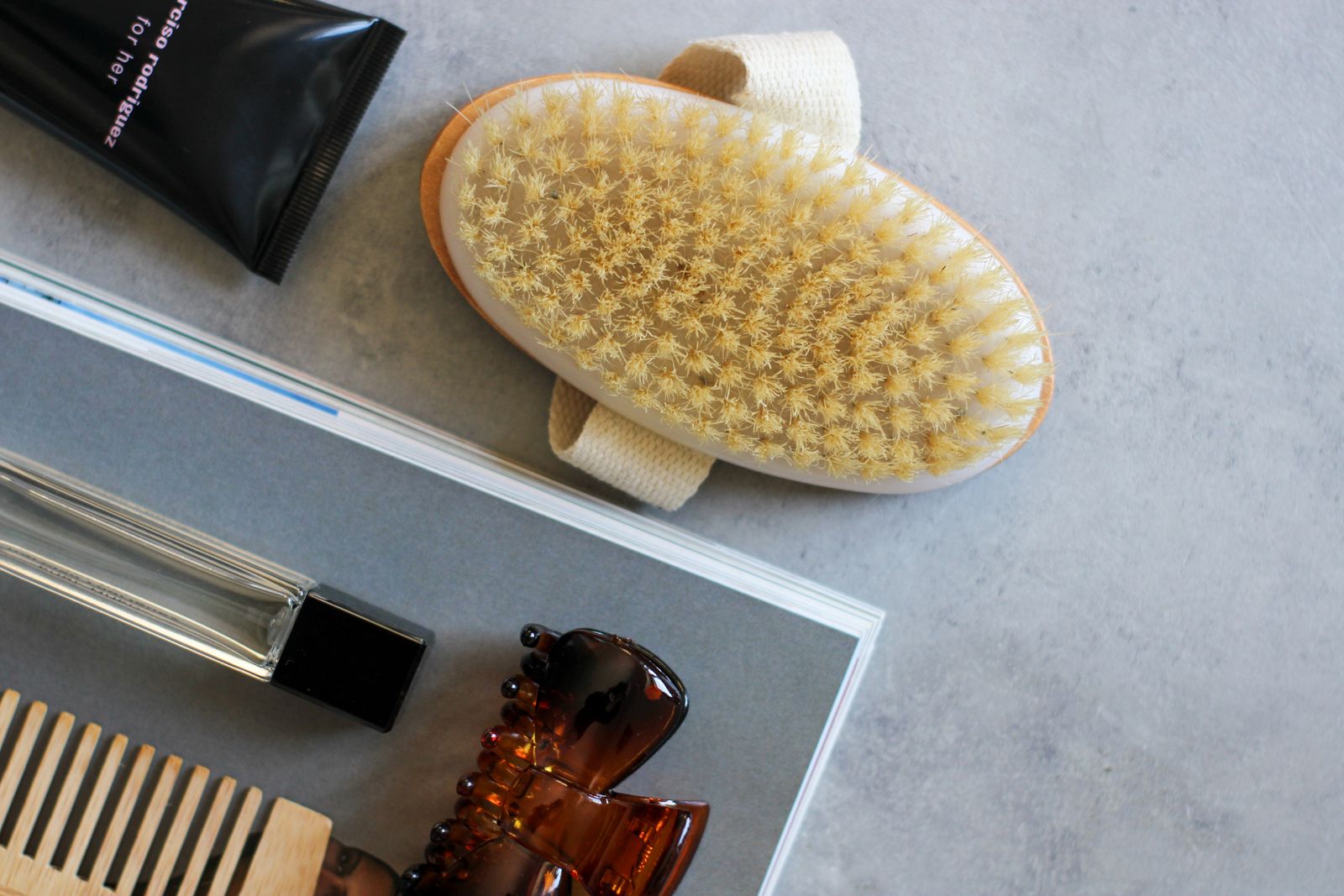
The outside of a hair fibre is formed by overlapping cuticle cells. When that surface is worn or lifted, neighbouring strands catch more easily. Conditioner and masks can coat the surface, improve slip and make detangling gentler, but their effect is temporary.
That is why a luxurious formula may feel wonderful without reversing accumulated damage. Price does not measure compatibility: a lighter conditioner may suit fine hair, while curly, long or chemically treated hair may need more lubrication. The useful measure is less tangling and less force during handling—not the prestige of the jar.
Damage often accumulates quietly
Bleaching and permanent colour can weaken the fibre; frequent high heat can add stress. Tight styles, rough towels, sleeping on a high-friction surface and forcing a brush through knots can keep damaging the same vulnerable points. Wet hair also deserves careful handling because aggressive pulling can turn a small snag into a break.
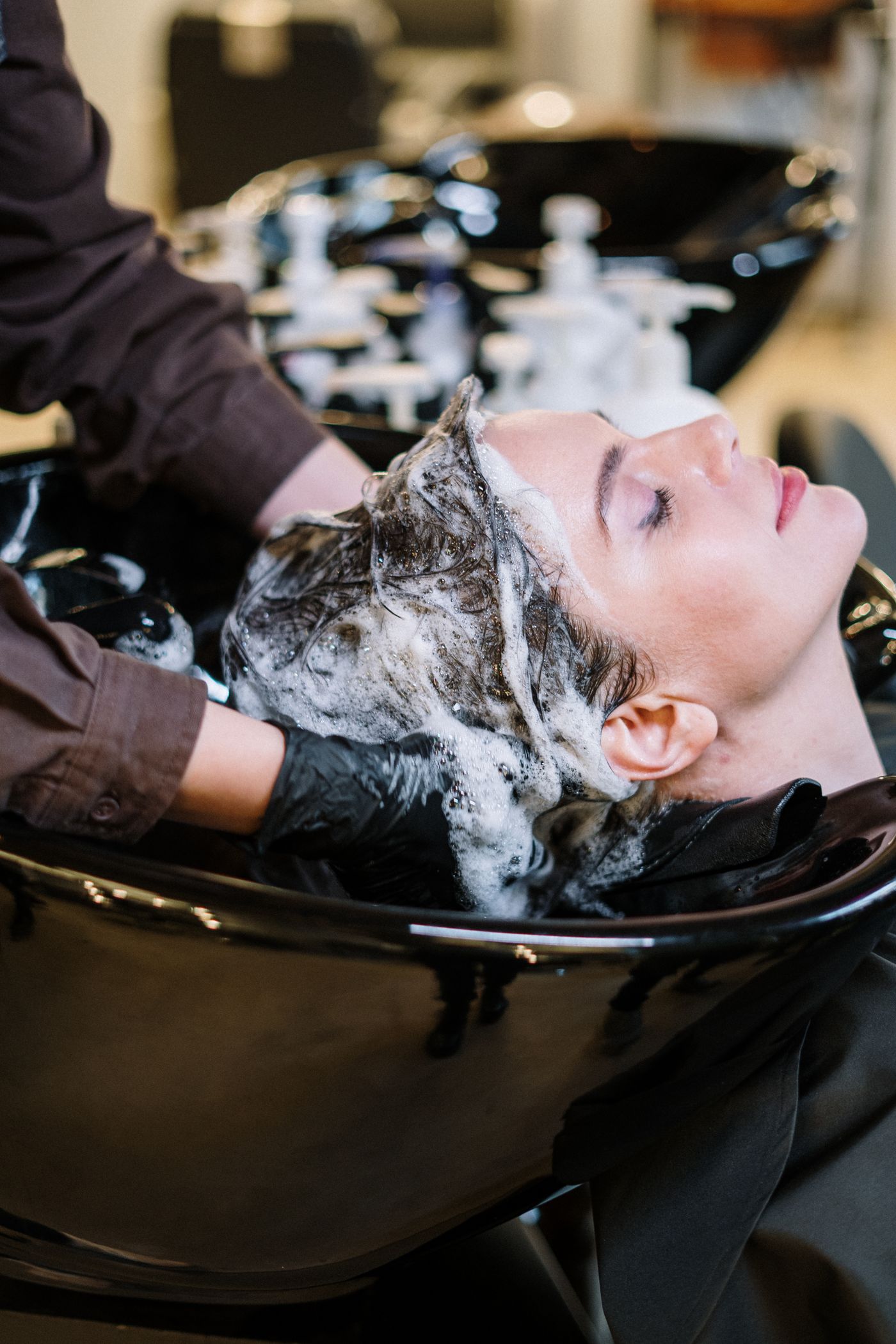
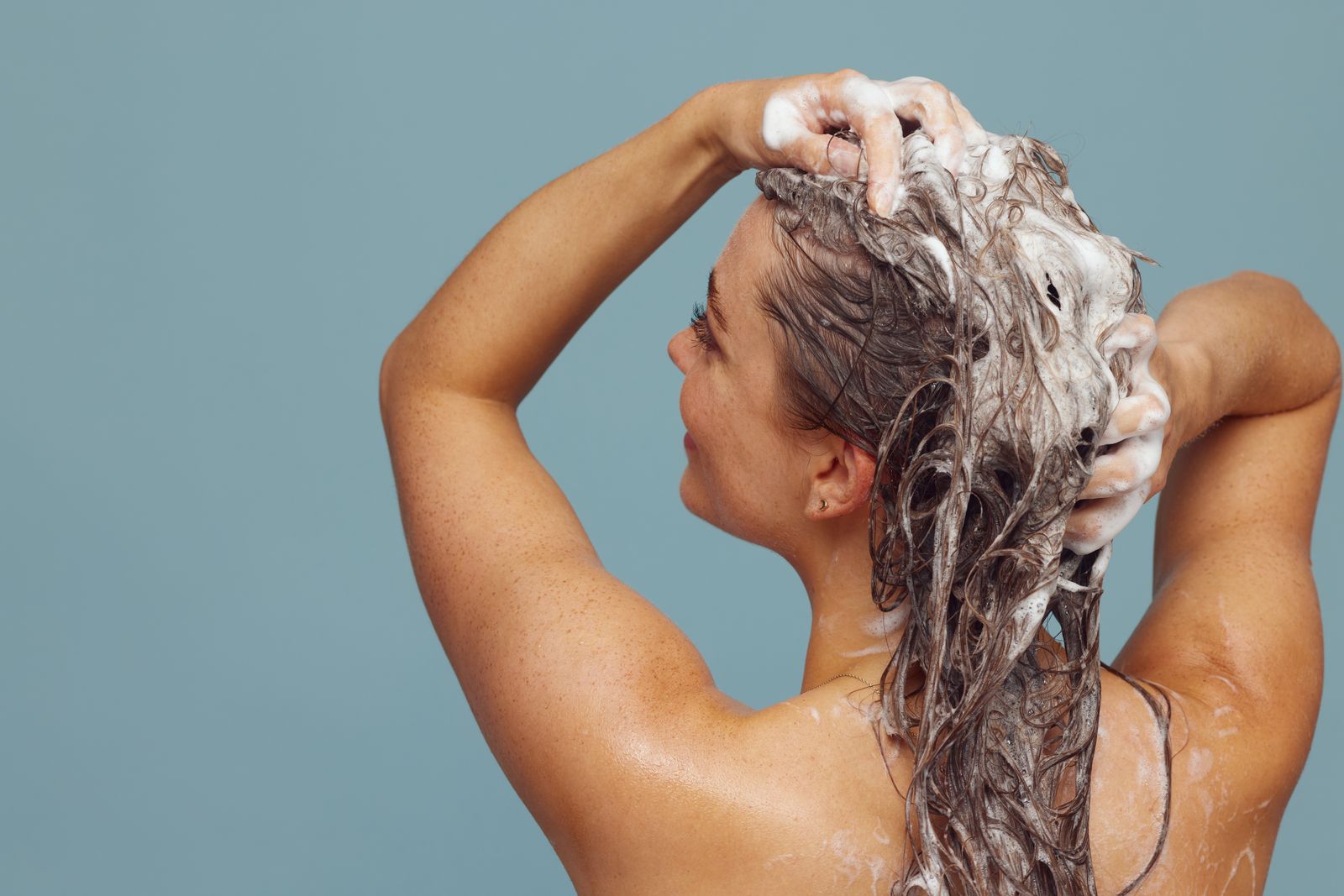
Change one source of stress at a time: shampoo mainly at the scalp, condition the lengths, detangle from the ends upward, blot rather than rub, and use the lowest effective heat. A trim can remove split or crumbling ends; no topical product can fuse them permanently.
If hot tools are part of your routine, use our practical guide to protecting hair from heat to set temperature and technique before adding another product.
Adapt the routine—and know its limits
Judge changes over several weeks by practical signs: fewer knots, easier combing, less snapping and ends that stay manageable. Hair type, climate, length and chemical history matter, so copying someone else’s wash schedule rarely solves everything.
See a dermatologist or another qualified clinician when breakage continues despite gentler care, when hair is thinning, coming out in patches, or accompanied by scalp symptoms. Nutrition, medicines and medical conditions can also affect hair; a salon treatment or supplement should not be used to guess the cause.
Sources & further reading
General information only; not medical, legal or financial advice.