Picture an ordinary morning.
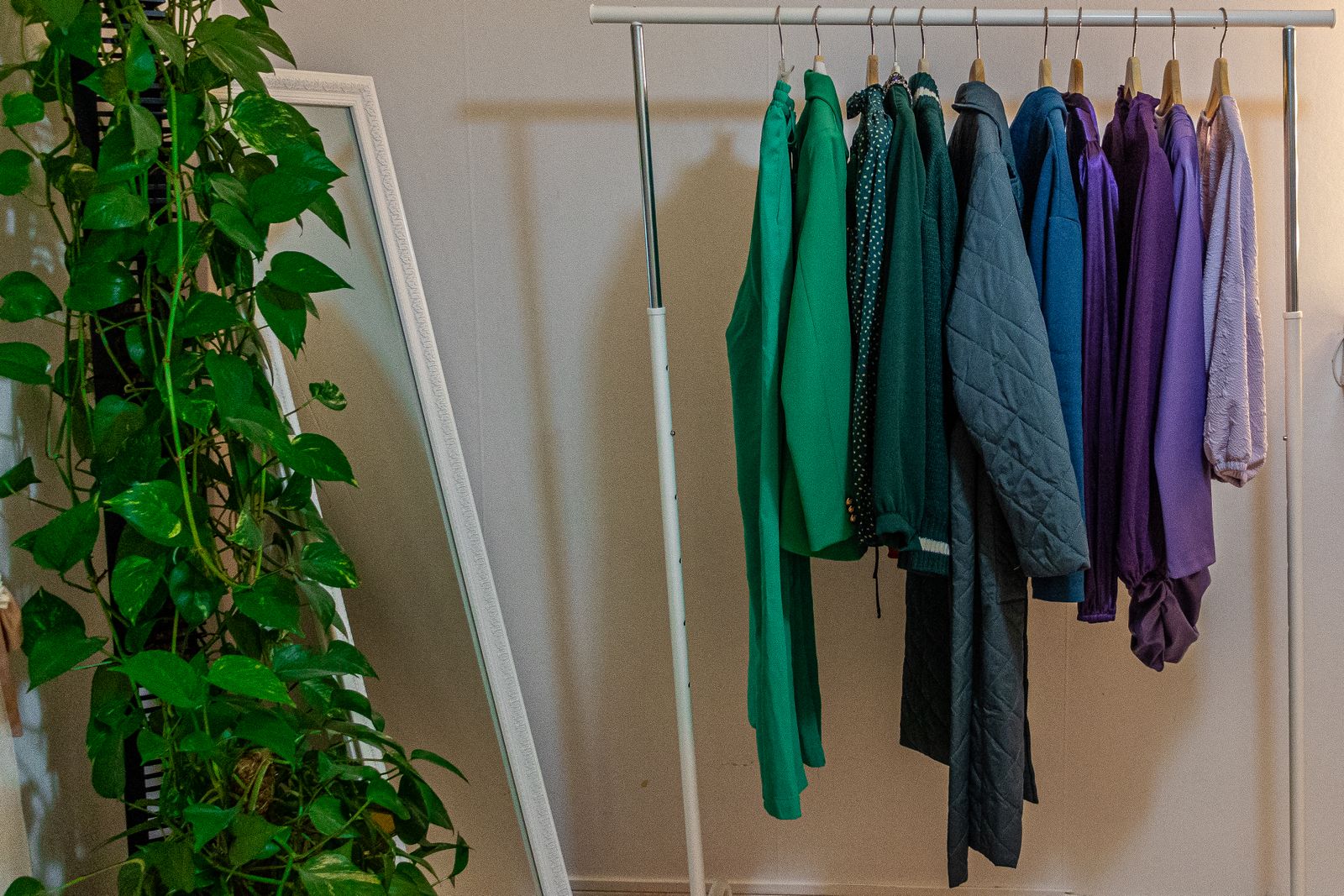
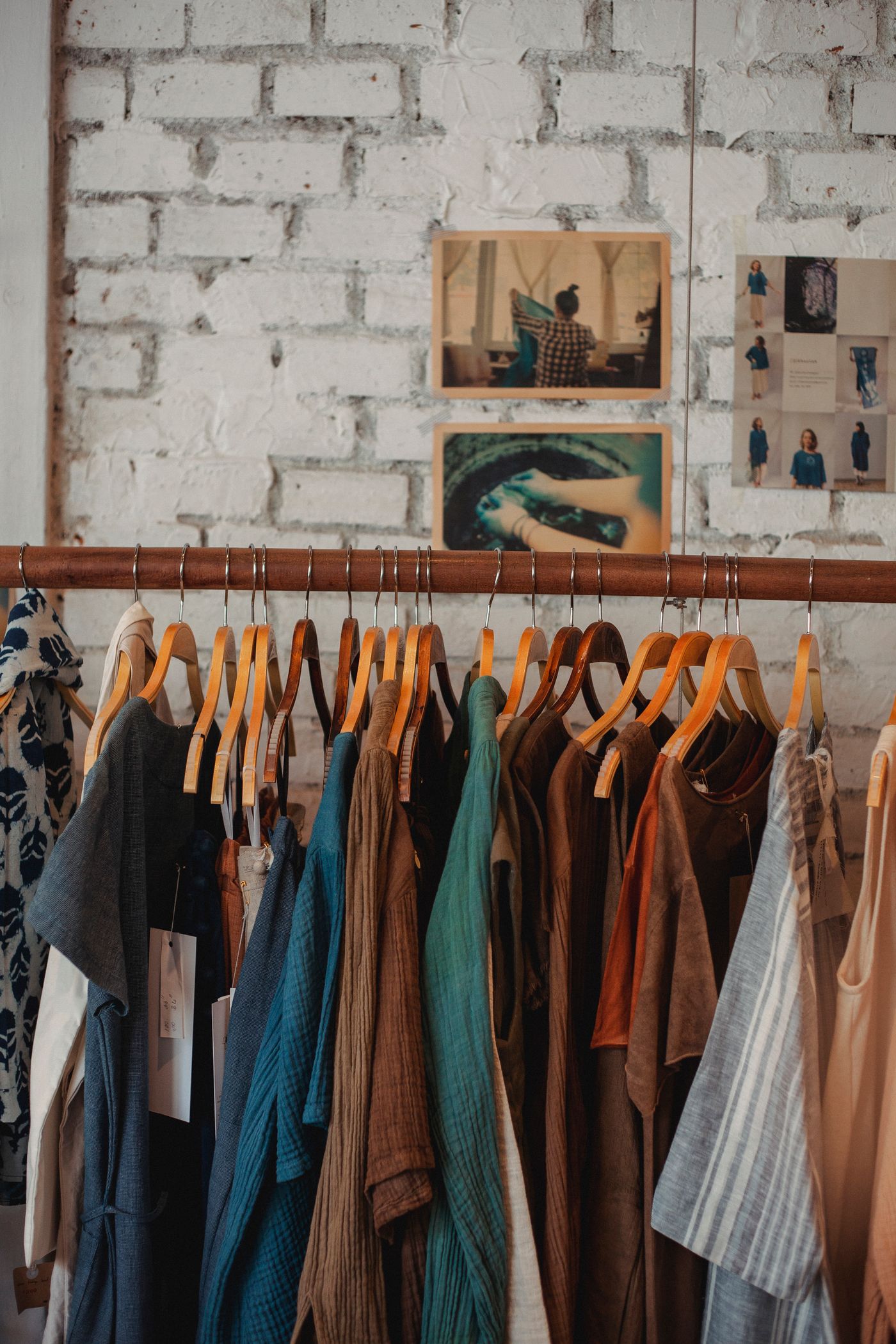
You have twenty minutes before you need to leave. You open your wardrobe, pull out your favourite trousers and try them with one blouse, then another.
The first looks too formal. The second doesn't work with the colour. You find a lovely dress, but none of your shoes seem quite right.
Ten minutes later, your bed is covered in clothes, you're getting frustrated, and time is running out.
So you put on your usual jeans and jumper.
And think: “Right. I'm definitely going shopping this weekend!”
But what if you don't need any new clothes at all?
Why do you have so many clothes but nothing to wear?
We often buy clothes one piece at a time.
You find a lovely skirt and buy it. You spot a beautiful shirt and pick that up too. Then there's an unusual pair of trousers in the sale. How could you resist?
Everything looked wonderful in the shop.
But at home, the skirt doesn't work with your favourite shoes, the shirt doesn't match your trousers, and there's nowhere to wear the new dress.
You end up with a wardrobe full of lovely individual pieces that don't work particularly well together.
There's another common reason: sometimes we shop for the life we'd like to have rather than the life we actually live.
Perhaps you own five evening dresses, several smart blazers and a collection of heels.
Yet most weeks you go to work, run errands and walk around town.
Naturally, you keep reaching for the same comfortable clothes.
The real problem may not be how many clothes you own, but how well they fit your everyday life.
Seven outfits from five pieces: try this today
You don't need to empty your entire wardrobe or spend a weekend organising everything.
Start with a simple exercise that takes about twenty minutes.
Choose five items:
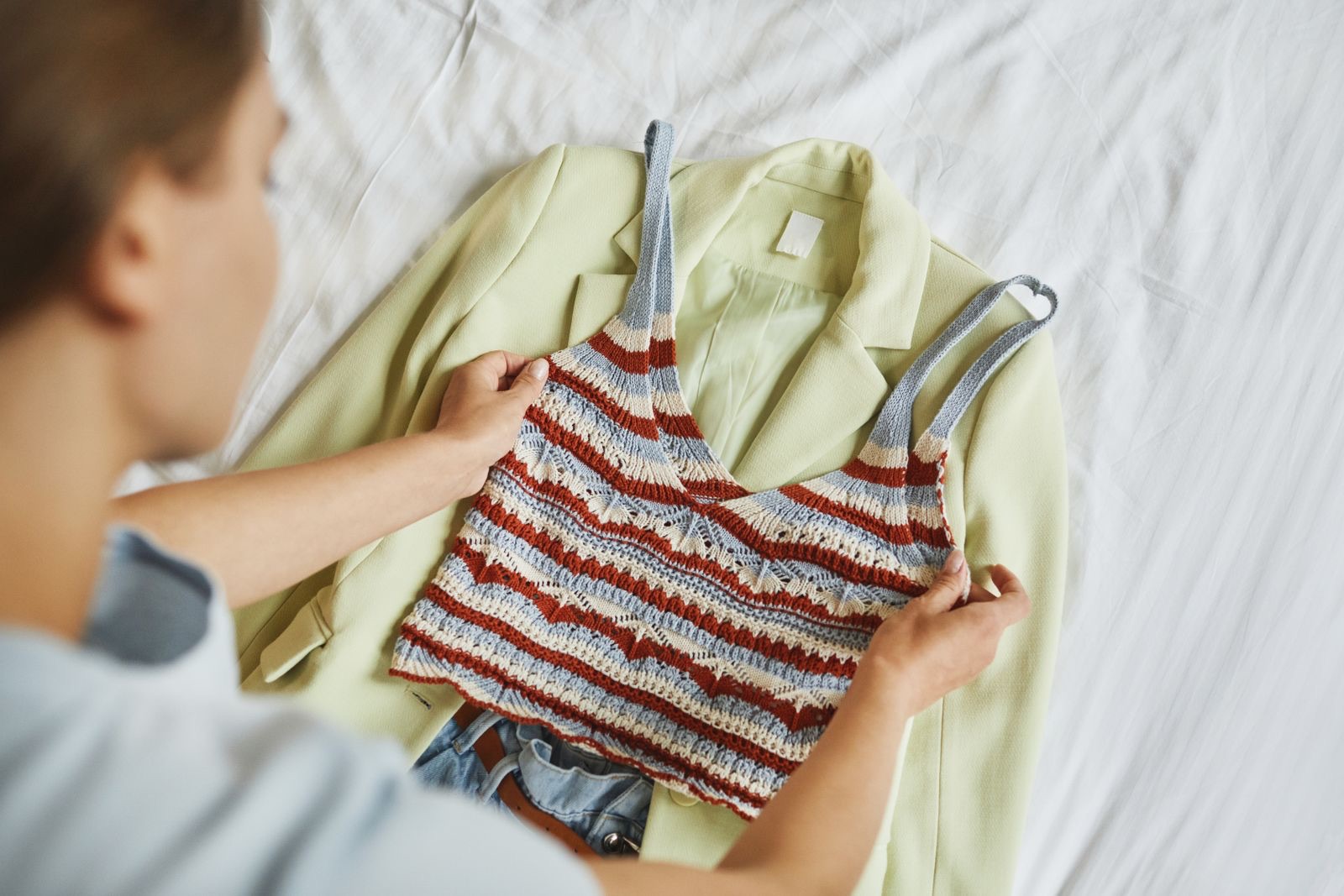
- Two bottoms: a pair of jeans and a pair of trousers. - Three tops: a T-shirt, a shirt and a jumper.
Now try matching each top with each bottom.
For example:
1. Jeans + T-shirt. 2. Jeans + shirt. 3. Jeans + jumper. 4. Trousers + T-shirt. 5. Trousers + shirt. 6. Trousers + jumper. 7. Jeans + T-shirt + open shirt worn as a layer.
That's seven possible outfits using just five pieces.
Of course, not every combination will look amazing. Perhaps your particular jumper doesn't work with those trousers.
That's fine.
The point is to experiment with combinations you wouldn't normally consider.
And remember to photograph the outfits you like.
Create an album on your phone called “My Outfits” and save the successful combinations.
Next time you're getting ready, you won't need to try on half your wardrobe again.
Sometimes the details make all the difference
Take a simple pair of straight-leg jeans and a white shirt.
Add trainers and a small crossbody bag, and you've got an easy everyday outfit.
Swap the trainers for loafers, add a belt and a blazer, and suddenly the same clothes feel more polished.
Or leave the shirt open over a plain T-shirt for a completely different look.
You don't need to buy new accessories to try these ideas.
Look at the belts, bags, jewellery and shoes you already own.
Sometimes rolling up your sleeves, tucking in a shirt differently or changing your shoes can make a familiar outfit feel new.
And don't feel pressured to complicate everything. If you prefer minimalism, simple combinations can look wonderful too.
What about clothes you haven't worn in years?
Almost everyone has at least one item in the “I'll definitely wear it someday” category.
Perhaps it was expensive. Perhaps it's beautiful. Or perhaps you bought it three years ago and still haven't found the right occasion.
Ask yourself three questions.
1. Does it fit me now?
Not after losing weight or next summer. Right now.
2. Can I make at least two outfits with it?
They don't need to be perfect. Just realistic combinations you'd actually wear.
3. Do I even want to wear it?
Sometimes something fits perfectly and looks great, but you simply don't feel comfortable wearing it.
That's a valid reason not to force yourself.
If you no longer need the item, you could sell it, give it away or donate it.
If you're unsure, put it aside and revisit the decision later.
There's no need to throw away half your wardrobe in one evening.
How can you stop buying clothes you never wear?
Imagine spotting a gorgeous skirt in a shop.
It fits beautifully, looks fantastic in the mirror and happens to be on sale.
You're already reaching for your bank card.
Before buying it, ask yourself one question:
“Which three things I already own could I wear with this?”
If several combinations immediately come to mind, great.
But if the skirt would also require new shoes, a new bag and a special blouse, the bargain might not be such a bargain after all.
Of course, it's perfectly fine to buy something simply because you love it.
It just helps to recognise the difference between clothes you enjoy owning and clothes you genuinely want to wear.
That small distinction can prevent a wardrobe full of unworn purchases and only three favourite outfits.
Maybe you need fewer decisions, not more clothes
Think about how much time you spend choosing outfits every week.
Five minutes today. Fifteen tomorrow. Twenty before meeting friends.
Now imagine having ten outfits you genuinely like already saved on your phone.
All you need to do is choose one that suits the weather and your mood.
That's what a practical wardrobe should do.
It doesn't need to be enormous, expensive or perfectly aligned with every fashion trend.
It should make your life easier, not turn every morning into a stressful search through your clothes.
So before heading to the shops again, spend twenty minutes with the things you already own.
You might discover that several completely fresh outfits have been hanging in your wardrobe all along.
You just hadn't thought to wear those pieces together.
General information only; not medical, legal or financial advice.