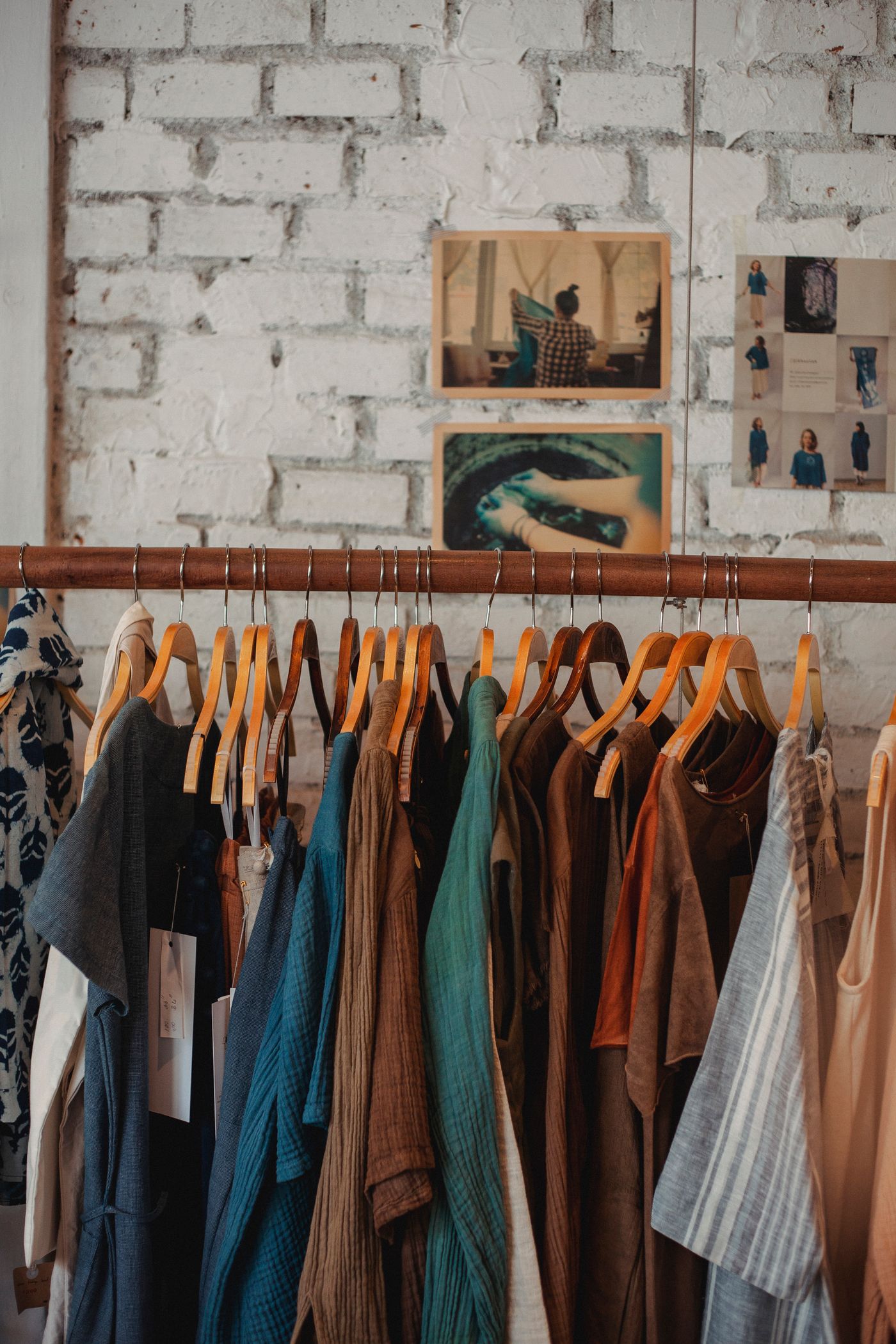
Personal style is not a hidden answer that fashionable people discover. It is a visual language built through repetition: the shapes you move comfortably in, the colours you reach for, the details that feel recognisably yours and the demands of your week.
The useful question is not ‘What should suit me?’ but ‘What do I want my clothes to do for me?’ That shift makes room for curiosity instead of self-criticism.
Start with the life the clothes must serve
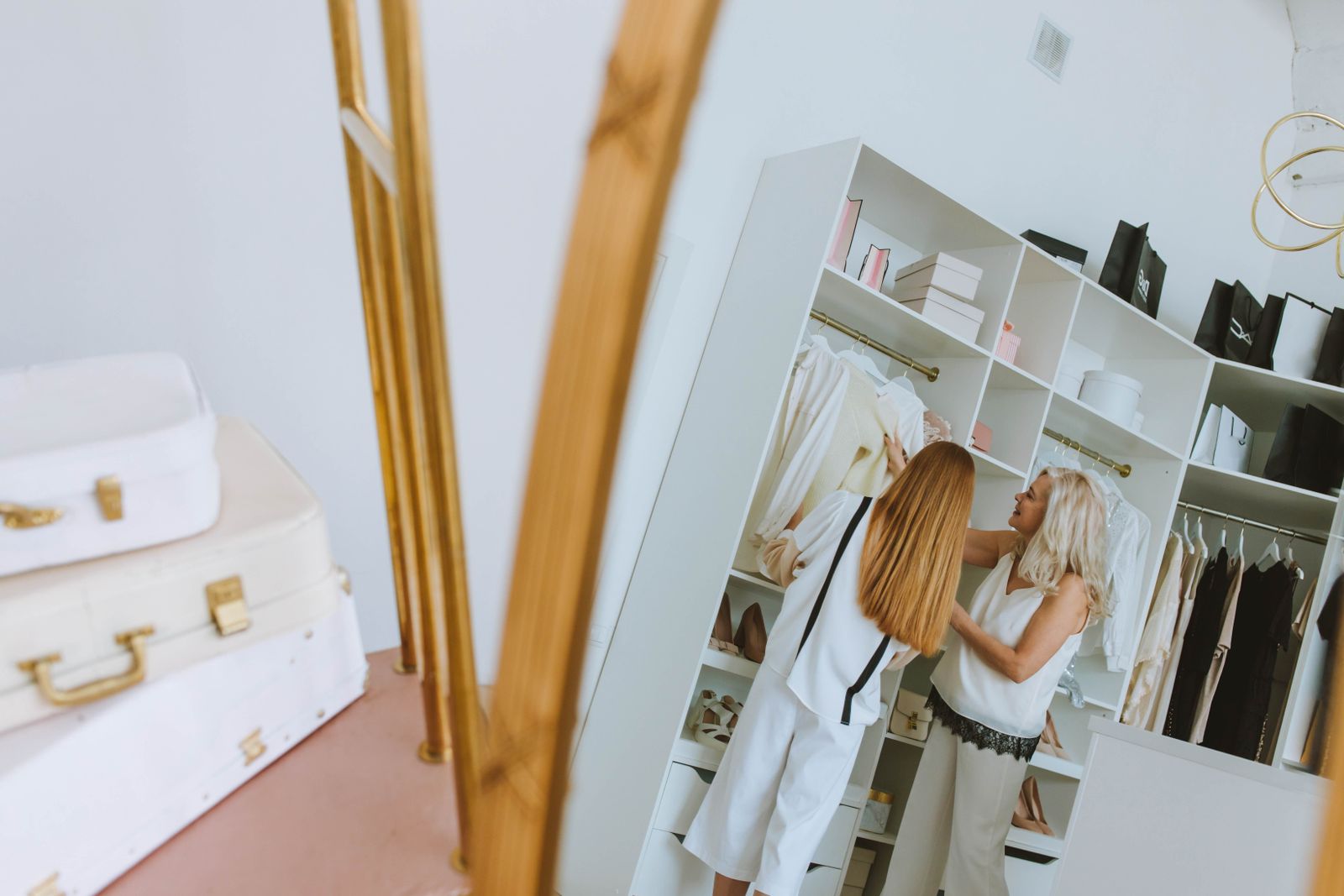
Write down a typical fortnight: work, travel, care, social plans, weather and the amount of walking or sitting involved. A wardrobe can look coherent on a saved mood board and still fail if it assumes dinners and heels while your real week involves cycling, presentations and playgrounds. Style becomes clearer when function is treated as part of the aesthetic.
Notice the outfits you repeat without negotiation. Photograph them and name what works: an open neckline, a straight leg, a soft layer, a limited palette or one strong accessory. These observations are more useful than assigning your body to a set of rules. Clothes are meant to fit a body; a body is not a problem to correct for clothes.
If you want fewer pieces to do more work, build a capsule wardrobe that still feels like you.
Separate admiration from compatibility
Social feeds flatten context. An outfit may depend on a particular climate, lighting, pose, tailoring or schedule. Admiring its atmosphere does not mean you must reproduce every item. Translate the attraction instead: perhaps it is the contrast, generous proportions, crisp texture or quiet colour story that you want.
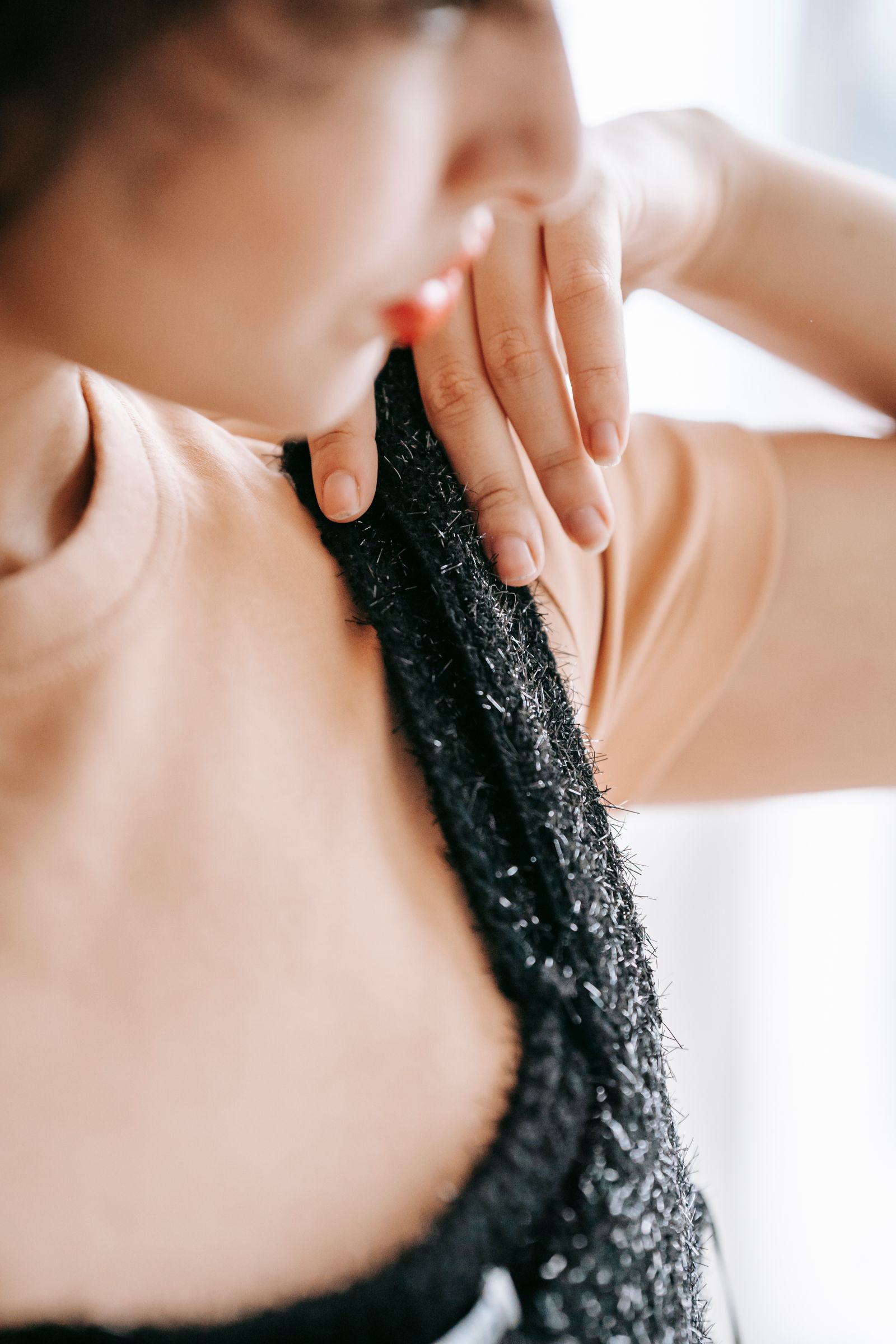
Make two small lists: details you consistently enjoy and things you avoid even when they are praised. Keep the language sensory and specific—structured rather than elegant, soft rather than feminine, room at the waist rather than flattering. This creates a personal brief without turning taste into another rigid category.
Use fit and proportion as adjustable tools
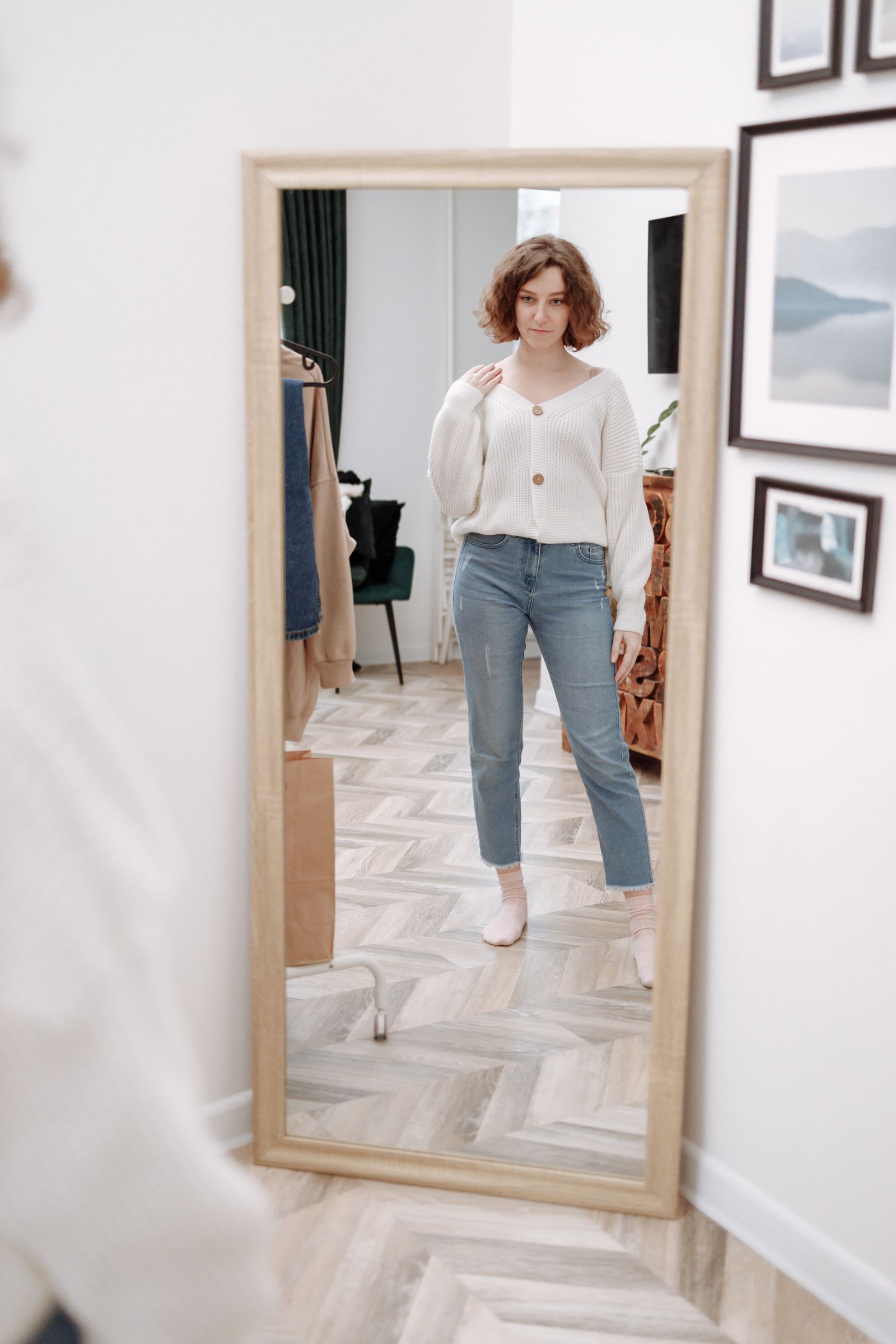
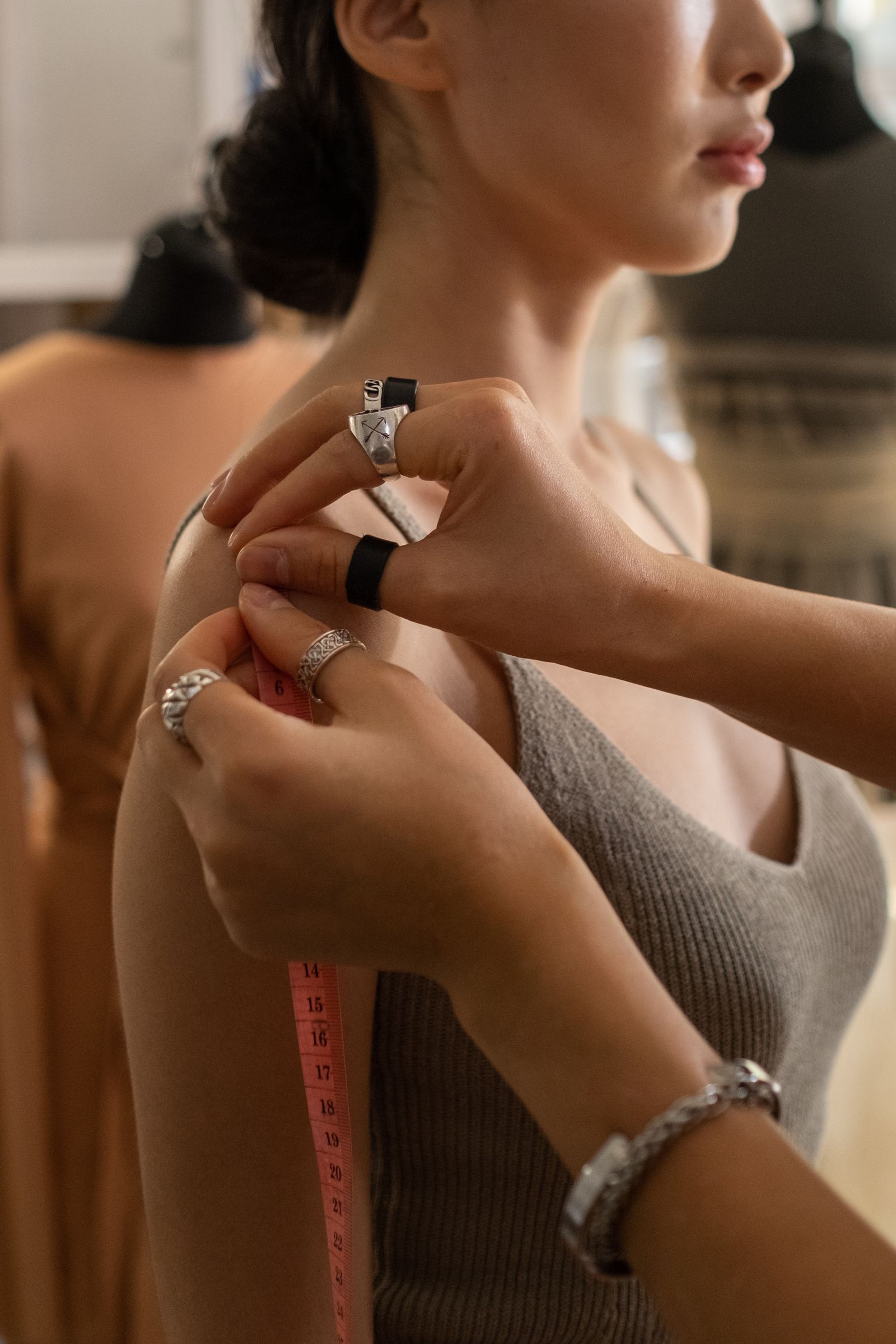
Fit is information, not a verdict. The same trousers can feel completely different with a shorter layer, a changed hem or a shoe with another visual weight. Try tucking, rolling, belting and swapping one proportion at a time. A tailor can sometimes make an existing garment useful more cheaply than replacing it.
Run experiments with what you own before buying. Set aside ten combinations, photograph them in ordinary light and wear the promising ones for a full day. Borrow a jacket, try on shapes in a shop without purchasing, or recreate one saved look from nearby equivalents. The goal is evidence about comfort and expression, not a haul.
Small choices can also help you look polished without expensive clothes when that is the effect you want.
Build recognition through repetition
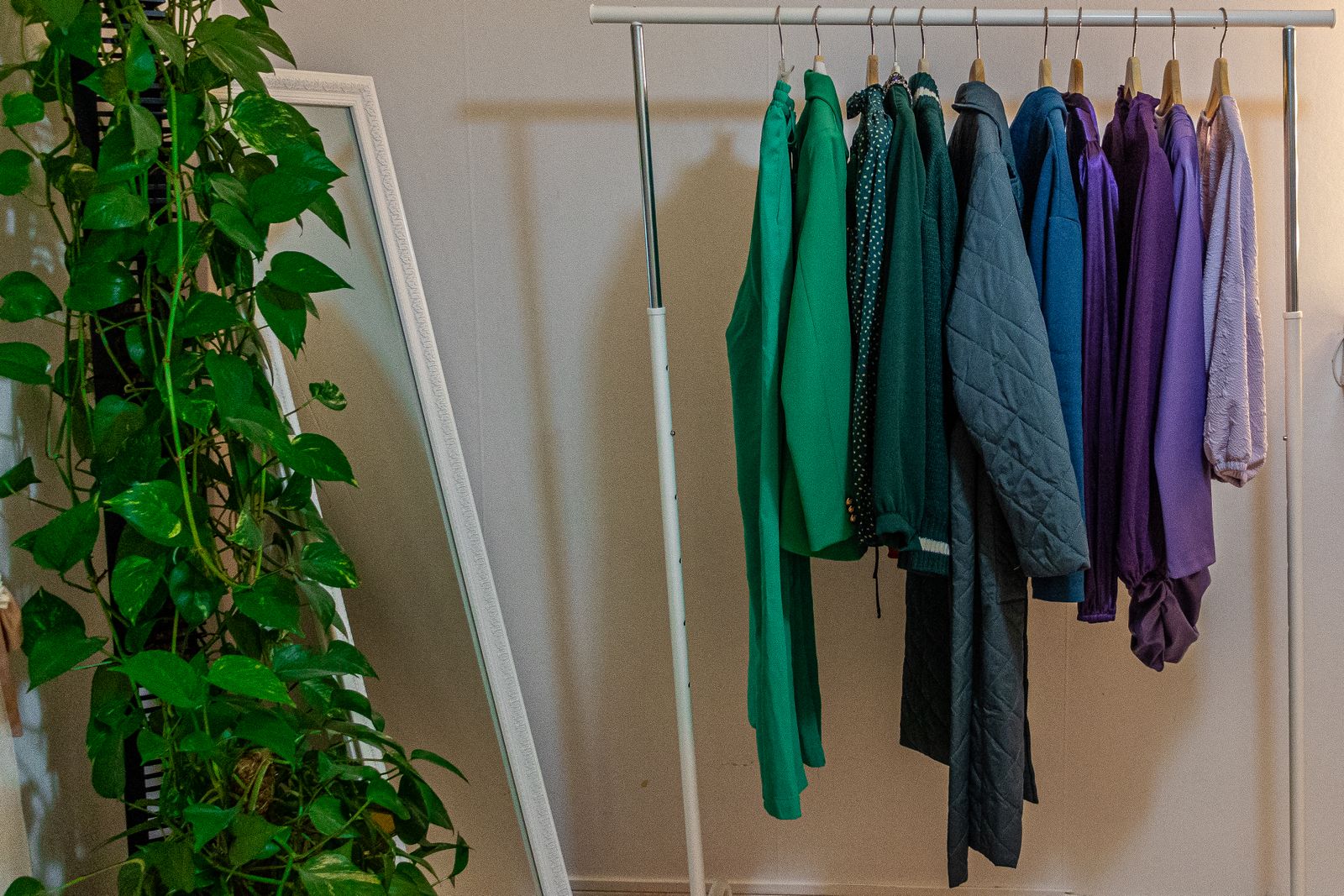
A recognisable style often comes from recurring decisions: similar necklines, a favourite metal, a family of colours, relaxed tailoring or practical shoes. Repetition is not failure of imagination. It reduces noise and makes an occasional surprise feel intentional.
Review after a month. Keep what supported your life and felt natural; release the fantasy versions that required constant adjustment. Your style can change with work, health, age, place or preference. Consistency means having a reliable starting point, not freezing your identity.
Sources & further reading
General information only; not medical, legal or financial advice.