“Looking expensive” is often presented as a shopping list: neutral colours, a particular bag, discreet jewellery. That formula can become another form of pressure.
A more useful goal is a polished outfit—one that looks cared for, fits the person wearing it and makes visual sense. Most of its ingredients can be adjusted inside an existing wardrobe.
Fit changes the whole silhouette
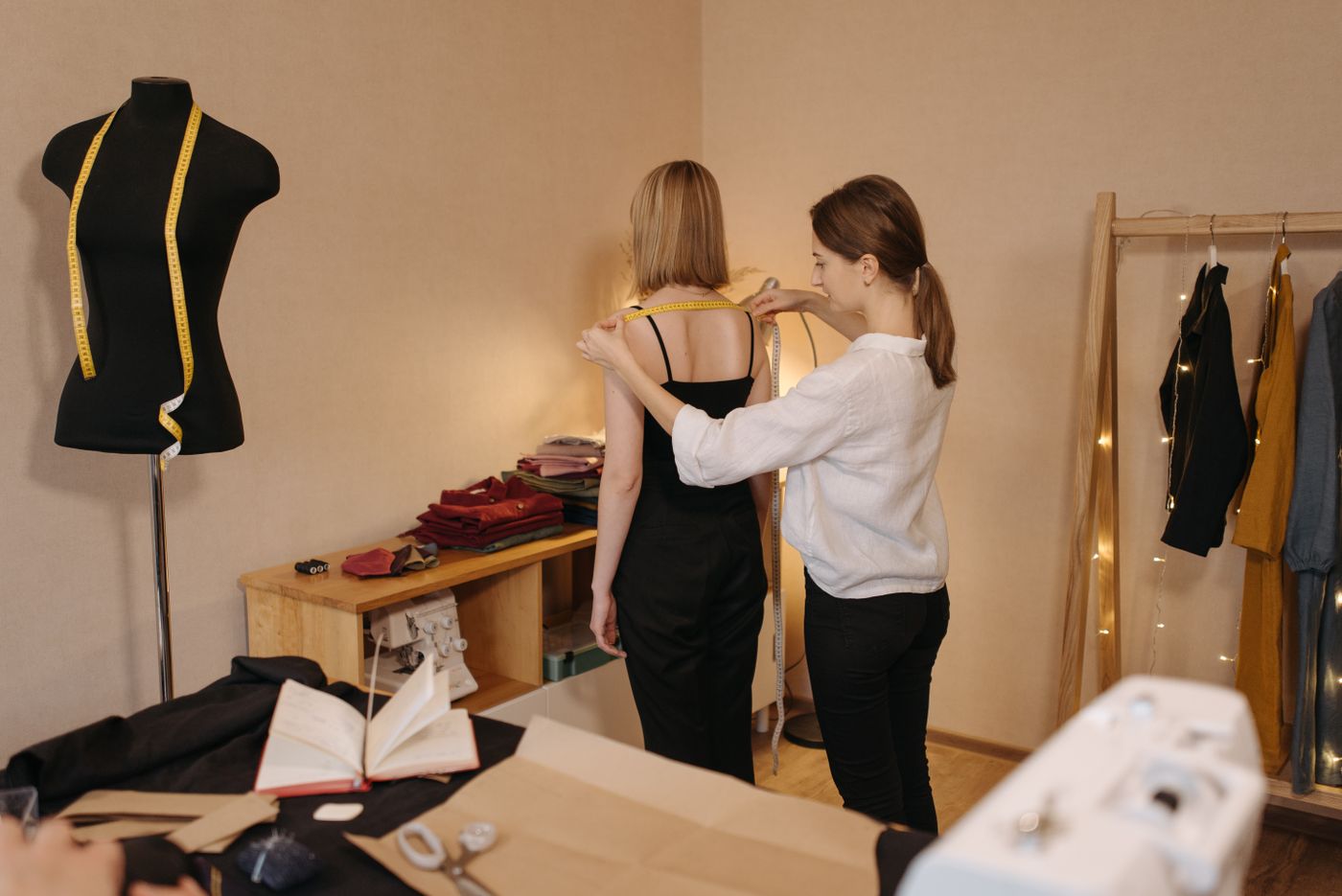
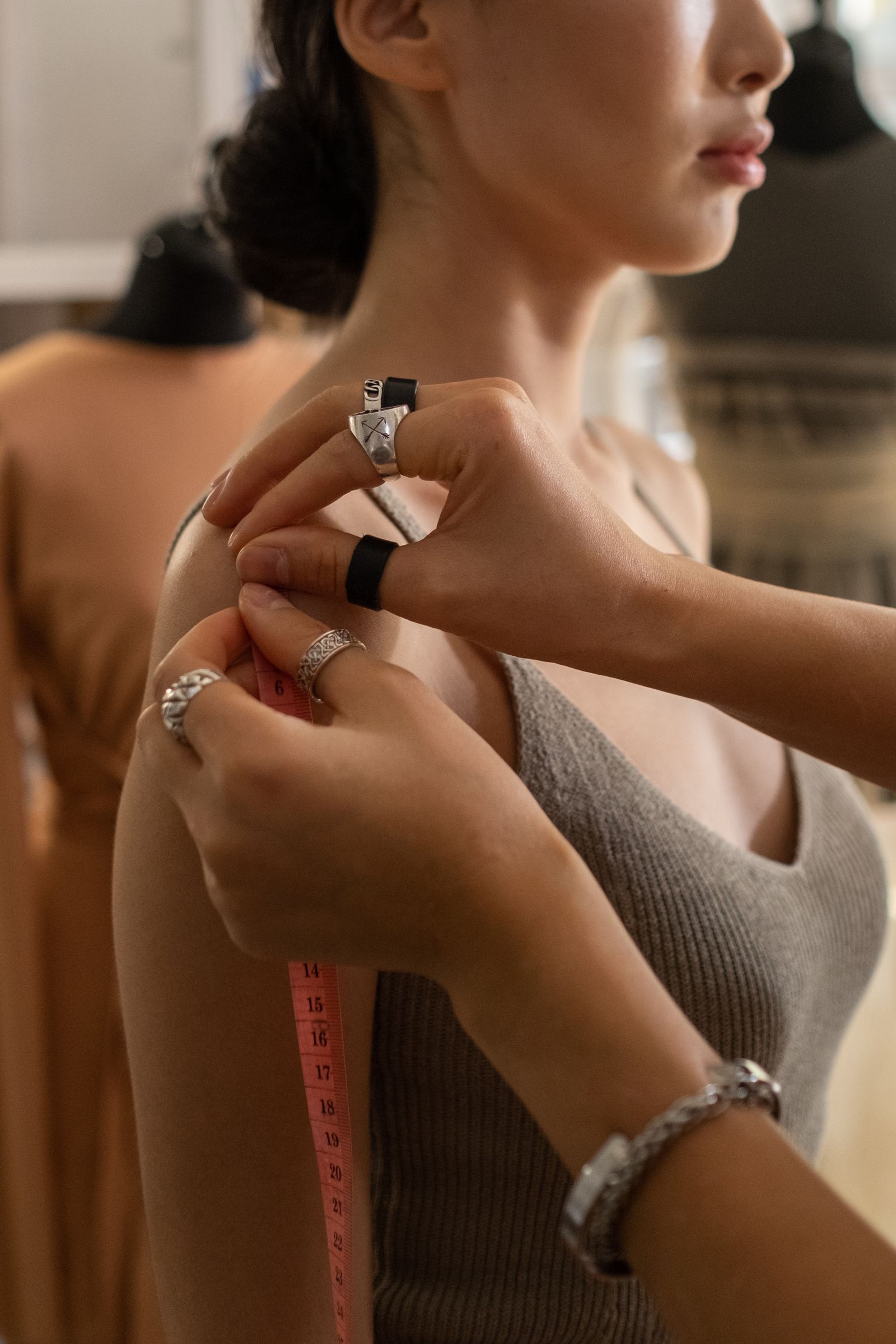
A sleeve ending where intended, a shoulder seam that sits correctly and trousers at a deliberate length make inexpensive clothes look resolved. The garment does not need to hide the body or follow one ideal silhouette; it needs to move comfortably and look chosen rather than accidental.
Try clothes with the shoes and layers you actually use. A small alteration can matter more than replacing the piece: shorten a hem, move a button or adjust a waist. Tailoring has a cost, so reserve it for items you already wear and fabrics likely to last.
| Instead of buying | Check first | Possible improvement |
|---|---|---|
| A new blazer | Shoulders, sleeve and buttons | Steam, move button, shorten sleeve |
| More trousers | Waist, rise and hem | Alter one reliable pair |
| A statement bag | Condition of current accessories | Clean, repair or simplify |
Condition is visible before the label
Pilling, lint, loose threads, cloudy shoes and a permanently creased collar attract attention regardless of brand. Read care labels, wash less aggressively when appropriate, air garments, remove pills carefully and store shoes so they keep their shape.
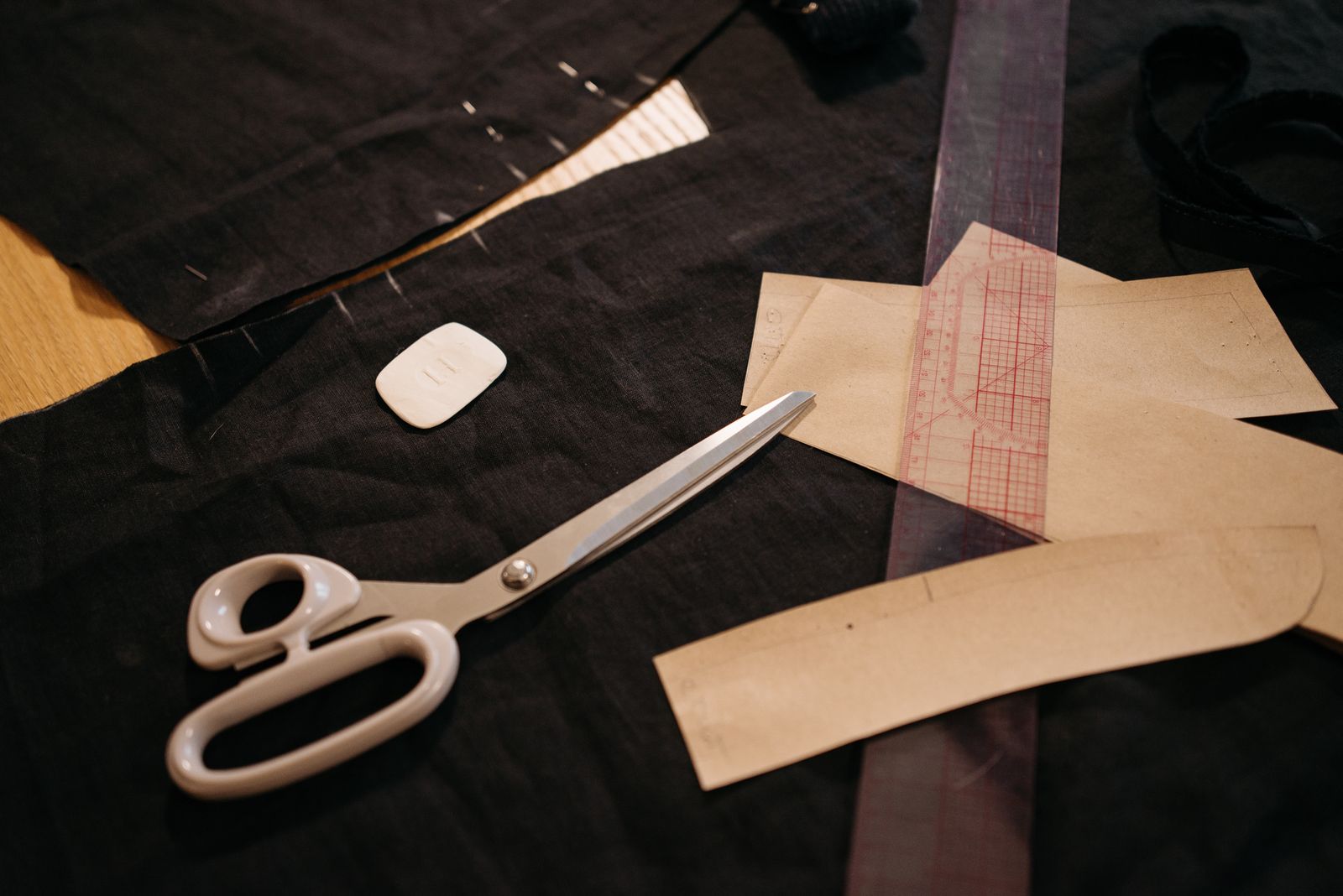
Fabric does not need to be luxurious, but it helps when it behaves well in the intended use. Hold a garment to the light, check whether seams twist and notice how quickly it creases. An affordable basic that survives real life can be more valuable than a delicate status purchase.
Colour creates coherence, not a dress code
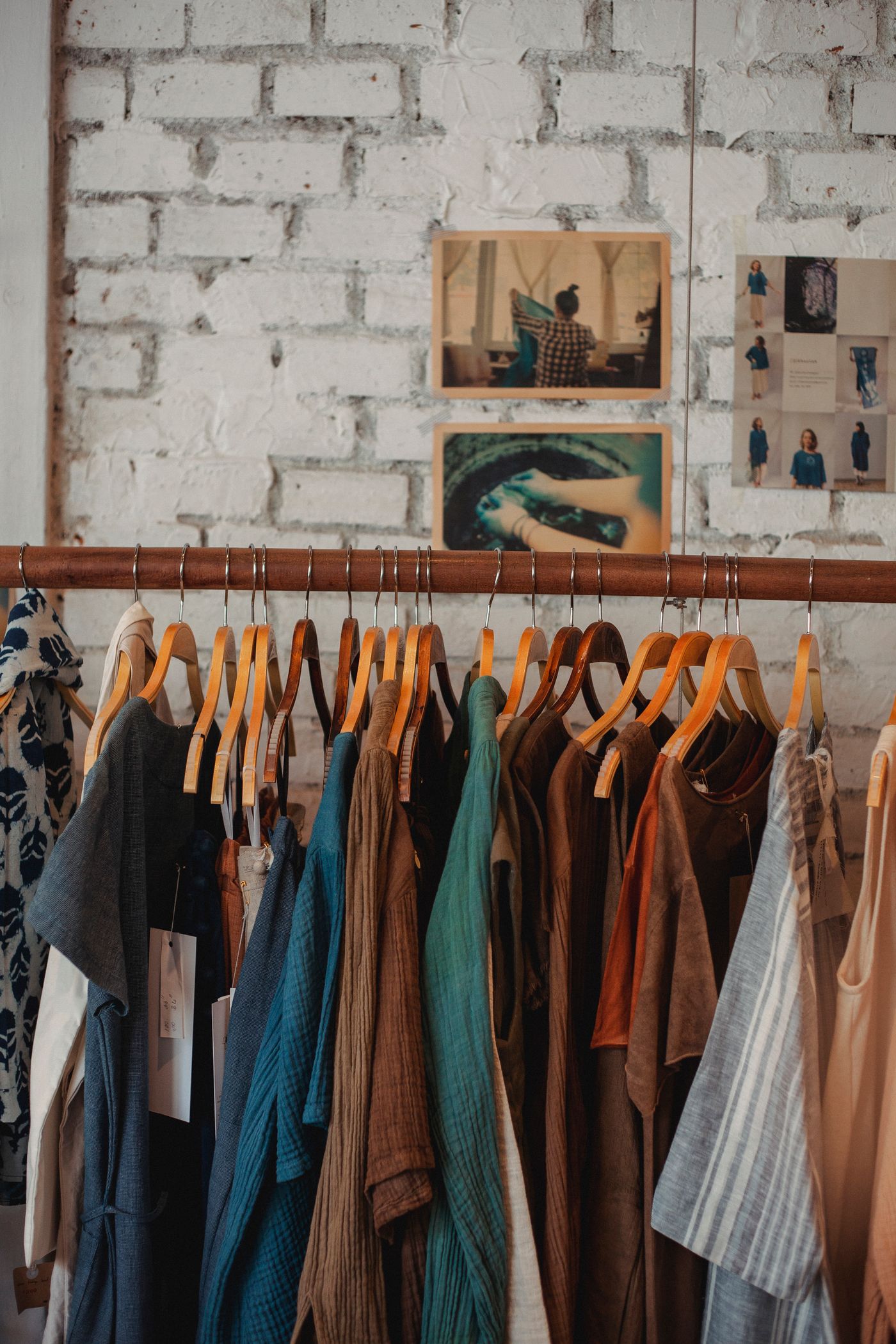
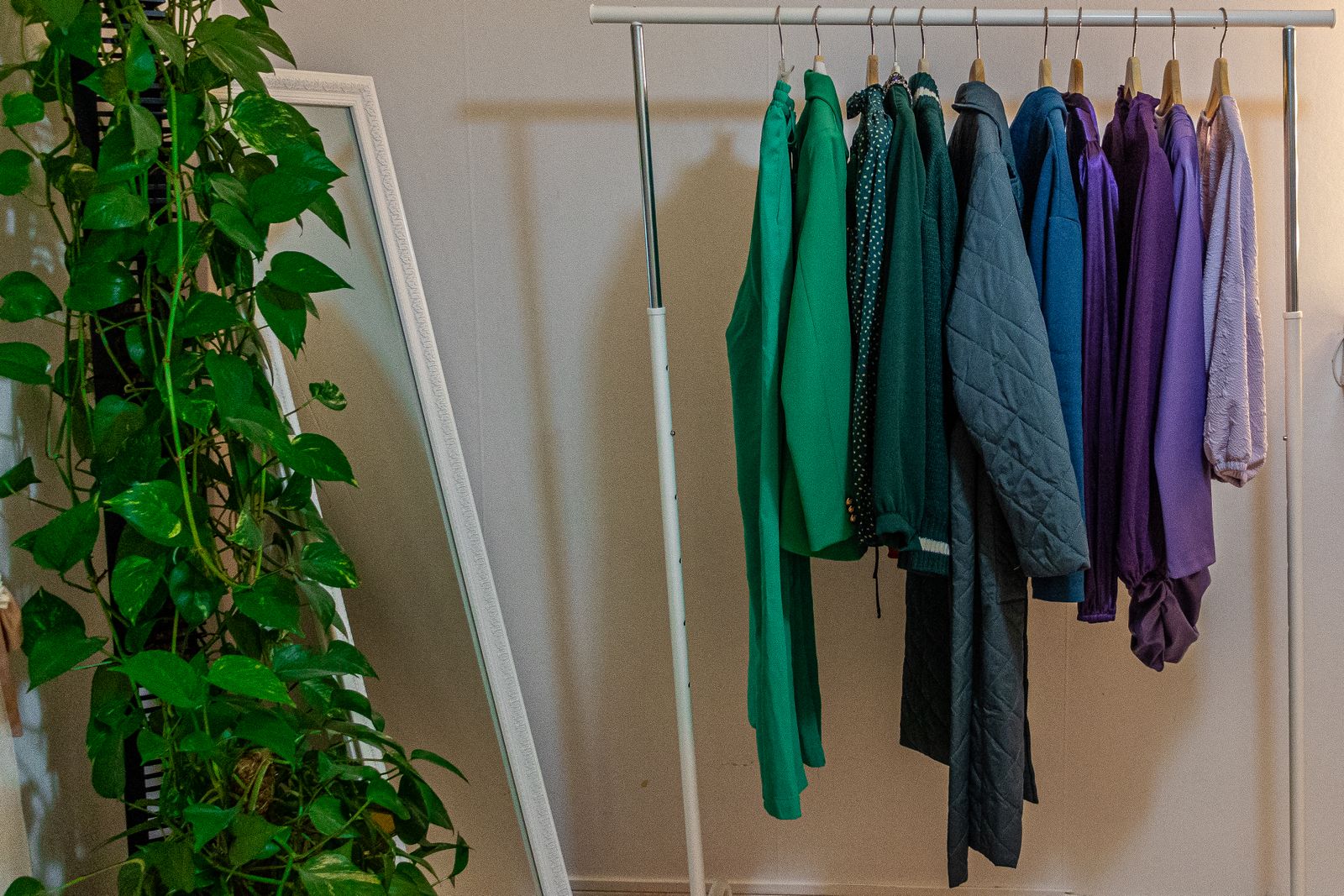
A limited relationship between colours makes an outfit easier to read. Repeat one shade in a shoe or accessory, combine neighbouring tones, or let one strong colour lead while the rest stays quiet. Neutral is an option, not a requirement.
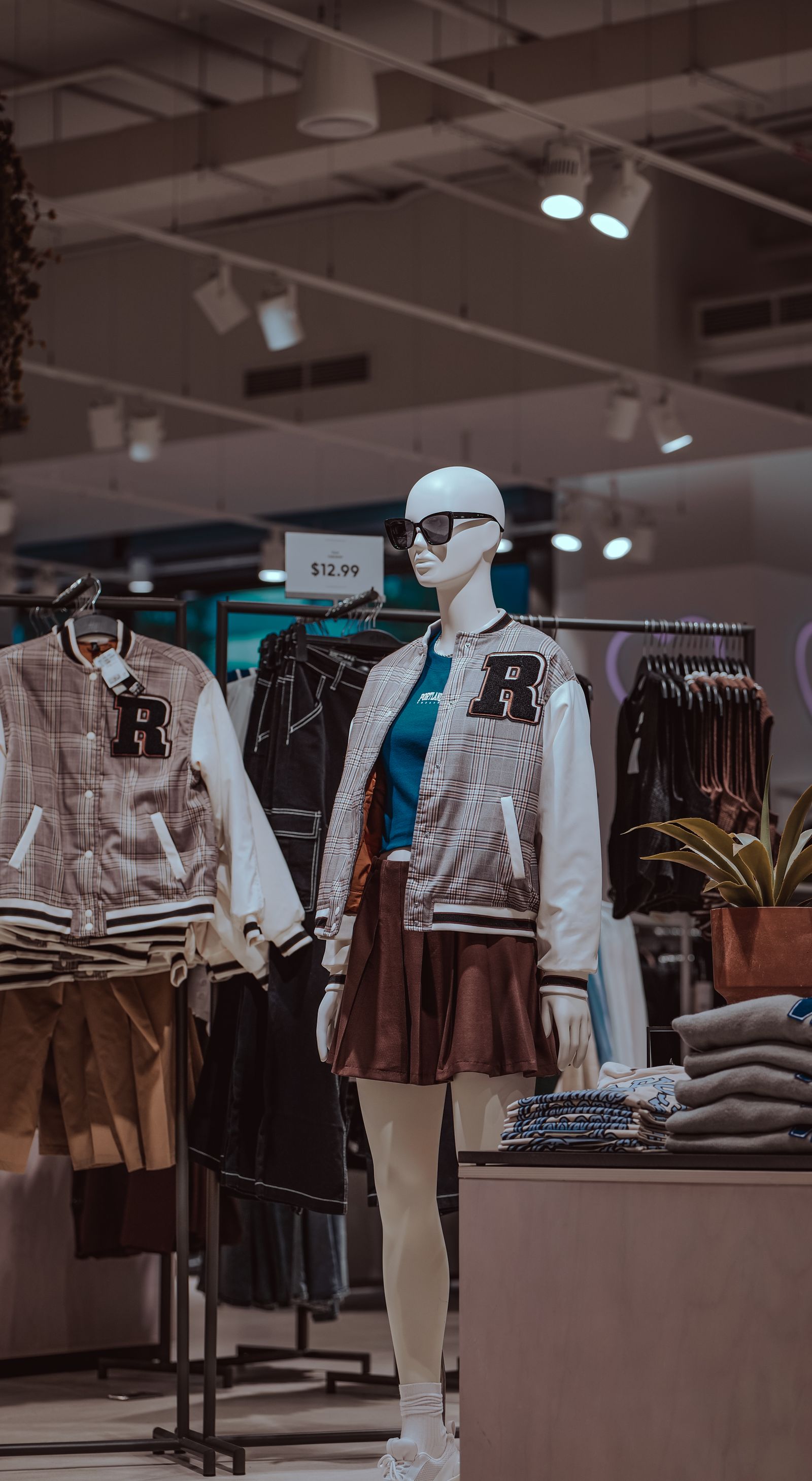
Large logos do not automatically improve an image, and hiding every logo does not create taste. What matters is whether the elements compete. When cut, colour, jewellery and branding all demand attention, removing one signal often makes the outfit calmer.
Build your own repeatable language
Copying a trend exactly can produce a costume if it ignores your schedule, climate and preferences. Instead, photograph outfits you enjoy and identify repeated proportions, colours or details. That pattern is personal style: not a fixed identity, but a reliable starting point.
Before shopping, create three new combinations from what you own, test a different tuck or cuff, swap shoes, and set aside pieces that need repair. Buy only for a named gap. This turns improvement into editing rather than endless accumulation.
For a practical system, continue with our guide to a capsule wardrobe that still feels like you.
General information only; not medical, legal or financial advice.