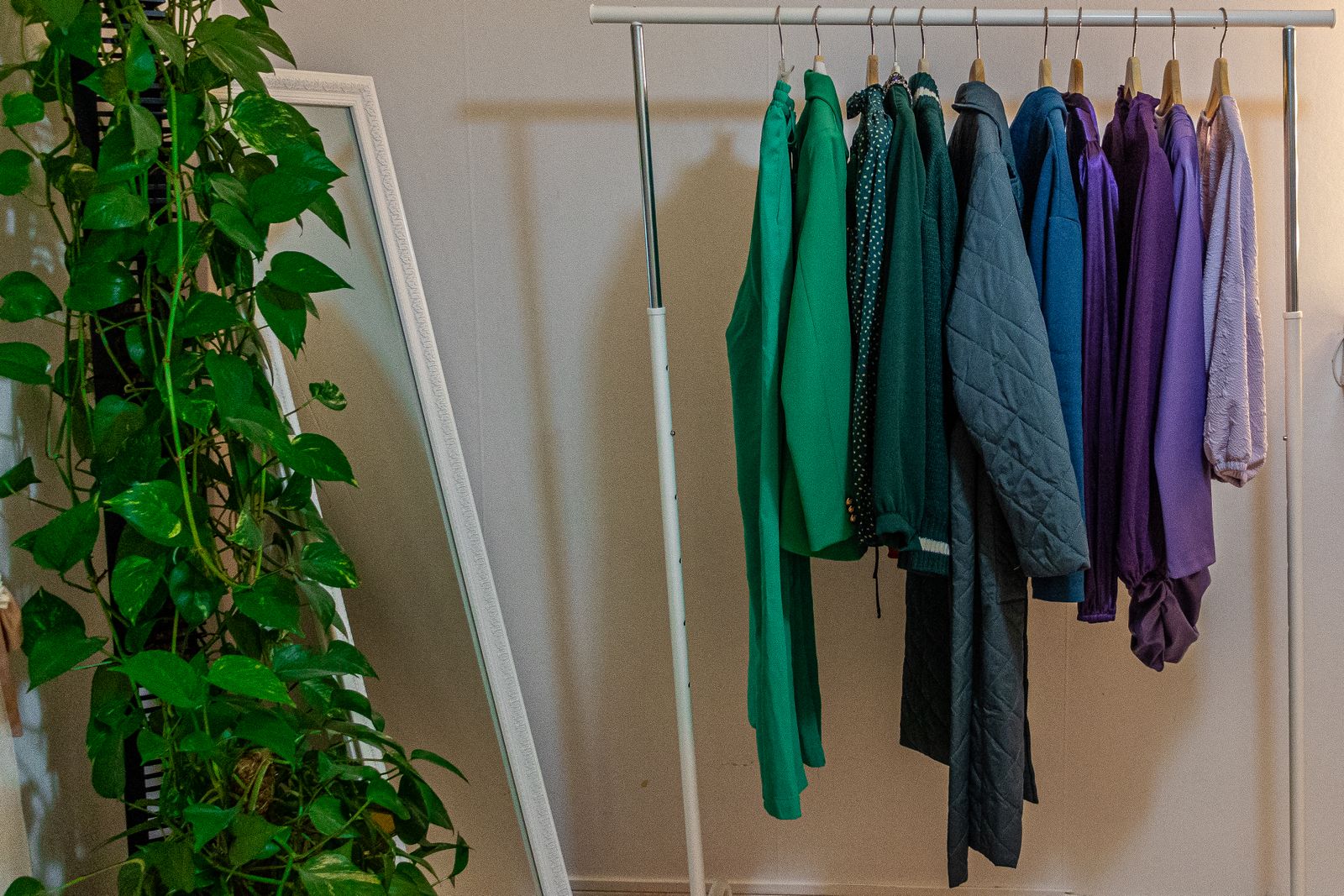
A wardrobe can be full and still make getting dressed feel strangely difficult. The problem is often not the number of clothes but the lack of connections between them: several good pieces belong to different imagined lives and rarely form complete outfits together.
A capsule wardrobe can help, but only when it begins with real mornings, real weather and real preferences. It is not a test of how little you can own. It is a way to make the clothes you keep more useful without sanding away everything distinctive about your style.
Start with real life, not a colour palette
List what you actually dress for: office days, caring work, commuting, exercise, evenings and weather. Estimate how often each appears in a normal month. Your wardrobe should give the most space to the life you live, not the events you imagine.
Photograph five outfits you reliably enjoy. Look for repeated proportions: fitted top with wide trousers, long layer over a simple column, or defined waist with fuller skirt. A repeatable silhouette makes shopping and mixing easier without erasing personality.
A capsule is a tool, not a moral standard
Capsule wardrobes became appealing partly because they promise relief from crowded rails and decision fatigue. But the internet version often turns a flexible organising idea into a test of discipline: own the correct number, choose the correct neutrals, remove everything difficult. That misses the point.
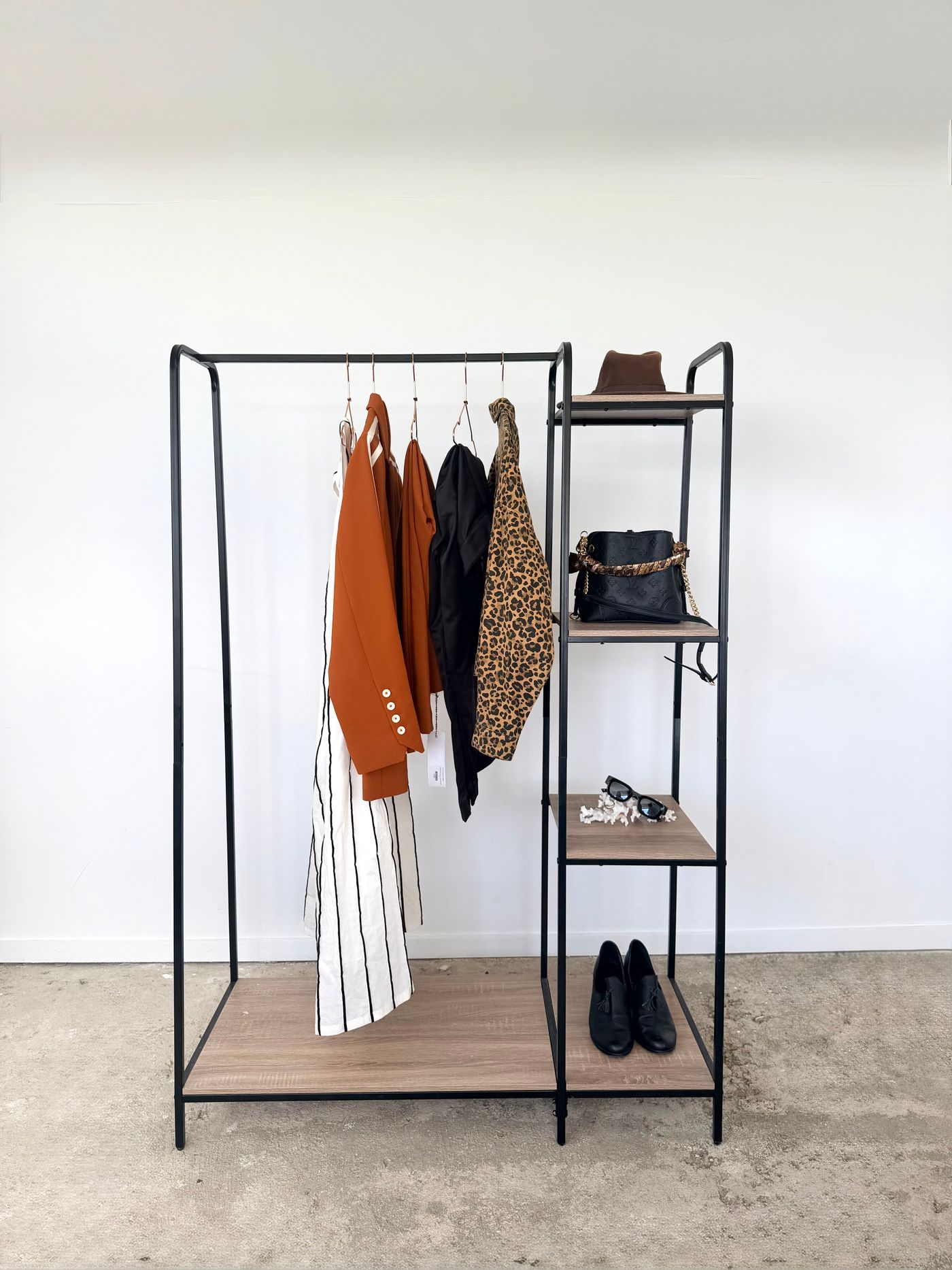
A useful capsule reduces friction in the life you actually lead. A lawyer with frequent formal meetings, a parent working from home and a musician travelling on weekends need different ratios of polish, comfort and care. None of them has failed because a universal checklist does not fit.
Compatibility matters more than minimalism
An item earns its place not because it is basic, but because it connects with enough of the wardrobe. A bright jacket may do more work than a beige blazer if it fits your weather, your shoes and the colours you already repeat.
Photographing a week of real outfits can reveal the system better than an aspirational shopping list. You may discover that the problem is not too few tops but the absence of one comfortable layer, or that several beautiful trousers all require shoes you never choose.
Build outfits before buying more
Choose one lower piece and identify at least three tops, two layers and two shoe options that work with it. Repeat with another base. Colour is useful when it connects items; it does not need to be neutral.
Before buying, picture the item in several real situations and with clothes you already own. If it only works in one imagined outfit, it may be a costume rather than a wardrobe tool. The goal is not minimalism as a contest; it is fewer frustrating decisions.
- Keep a photo album of successful outfits.
- Repair or alter near-misses before replacing them.
- Write a specific gap list and wait before buying.
General information only; not medical, legal or financial advice.