Your makeup looks perfect in the morning. Your lashes are separated, your mascara is in place, and there isn't a single dark mark beneath your eyes. But a few hours later, you look in the mirror and see the familiar problem again: grey smudges beneath your lower lids, as though your mascara has decided to move from your lashes onto your skin.
It's especially frustrating when the tube says waterproof. Surely waterproof mascara should survive a long day, a little rain, or a few unexpected tears. So why does it still smudge?
The short answer: waterproof doesn't necessarily mean resistant to skin oils, friction, or lashes touching the skin. Sometimes the mascara itself isn't the problem at all. Your eye cream, the direction of your lashes, or the way you apply the product may be contributing.
Here's how to work out what's happening and what to try before buying yet another mascara.
Why Does Waterproof Mascara Still Smudge?
Waterproof mascaras are designed to create a coating on the lashes that resists water better than many regular formulas. But water isn't the only thing your makeup encounters throughout the day.
Your skin produces sebum. You blink, smile, squint, apply skincare, and sometimes rub your eyes without even noticing. Each of these can contribute to mascara transferring onto the skin.
And dark marks beneath your eyes don't always mean the mascara has dissolved. Sometimes the formula flakes, or your lashes simply leave physical imprints where they touch your skin.
The first step towards fixing the problem is understanding which of these situations applies to you.
Seven Reasons Your Mascara Leaves Marks
1. The Skin Around Your Eyes Gets Oily
Even if the rest of your face is normal or dry, your eyelids and surrounding skin may become shiny during the day.
When mascara-coated lashes touch this surface, some pigment may transfer. The effect can become more noticeable several hours after applying your makeup.
What to try: gently blot excess oil with a clean tissue before applying makeup. If you wear concealer, you can lightly set it with a small amount of powder suitable for the eye area. Avoid applying powder to the waterline or close to the eyeball.
Don't try to strip every trace of oil from your skin with harsh cleansers. The eye area is delicate and needs gentle care.
2. Eye Cream or Sunscreen Comes Into Contact With Your Lashes
Rich eye creams, nourishing balms, and sunscreens may contain emollient ingredients that leave a comfortable protective film on the skin.
That's useful for skincare, but when a product sits very close to the lash line, it may come into contact with mascara and contribute to smudging.
This can be particularly noticeable when makeup is applied immediately after a rich cream.
What to try: don't give up moisturiser. Instead, change the order and timing of your routine. Allow skincare to absorb, gently remove any excess near the lashes, and check whether cream is getting directly onto them. Continue using sunscreen as directed, choosing a formula suitable for the eye area.
3. Your Lashes Keep Touching Your Skin
Sometimes mascara stays firmly attached to your lashes, but the lashes themselves touch the upper or lower eyelid every time you blink.
This may be more noticeable with long lashes, particular lash growth patterns, or certain eyelid shapes.
The result can be a repeated imprint, often appearing in almost exactly the same place.
What to try: if you use an eyelash curler, gently curl clean lashes before applying mascara. Avoid curling lashes after mascara has dried unless the tool's manufacturer specifically recommends that method.
You could also try applying less mascara to the tips that tend to touch your skin.
4. You're Applying Too Much Mascara or Not Allowing It to Set
One coat separates your lashes. A second adds volume. A third makes the look more dramatic.
But sometimes that third coat is exactly what causes the problem.
The more product you build up, the greater the chance of clumping, transferring, or flaking, especially when another layer is applied while the previous one is still too wet.
What to try: start with one thin, even coat. If you need another, follow the manufacturer's instructions on application and drying time. Remove excess product using the tube's built-in wiper, and don't try to compensate for an unsuitable formula by adding endless layers.
5. You're Wearing Mascara on Your Lower Lashes
Your lower lashes sit extremely close to your skin. Even a small amount of mascara can leave marks, particularly when those lashes are long or point downwards.
That explains why your upper lashes can look flawless while dark streaks still appear beneath your eyes.
What to try: run a simple experiment and leave your lower lashes bare for one day.
If the problem disappears, try using less product or a smaller, more precise brush the next time you coat them.
You don't have to stop wearing lower-lash mascara forever. This is simply a quick way to identify where the marks may be coming from.
6. Tears, Humidity, and Rubbing Your Eyes
Waterproof mascara generally offers better resistance to water, but that doesn't mean it can withstand every kind of physical contact.
Rubbing your eyes after crying, sweating, or spending a long time outside may cause the coating to shift or flake.
What to try: gently blot away moisture with a clean, soft tissue rather than rubbing your eyes. If your eyes regularly water excessively, don't rely on stronger mascara alone: it's worth finding out why.
7. Your Mascara Is Too Old or the Formula Doesn't Suit You
Sometimes the explanation is much simpler: the mascara has dried out, started clumping, or begun to flake.
Even an expensive formula won't maintain its original properties indefinitely.
Check the texture, smell, period-after-opening information, and the manufacturer's instructions.
Important: never add water or saliva to dried-out mascara. Doing so can introduce microorganisms and increase the risk of contamination.
The FDA advises replacing mascara regularly; manufacturers commonly recommend discarding it approximately two to four months after purchase. Follow any stricter instructions for your particular product, and replace it sooner if its condition changes.
What the Location of the Smudges Can Tell You
Where the marks appear and what they look like may help you narrow down the cause.
This isn't a definitive diagnosis of the problem. Several factors may be involved at once.
| What you notice | Possible explanation | What to check |
|---|---|---|
| Clear imprints beneath the lower lashes | Lashes touching the skin | Skip lower-lash mascara for one day |
| Blurry grey patches appearing later in the day | Contact with skin oils or skincare | Adjust cream application and skin preparation |
| Marks appearing almost immediately | Wet mascara or long lashes touching the eyelid | Try using less product |
| Small black specks beneath your eyes | Mascara may be flaking | Check its condition and the number of coats |
| Smudges after crying or rubbing | Moisture and physical friction | Gently blot your eyes instead of rubbing |
Regular, Waterproof, or Tubing Mascara: Which Should You Choose?
If your mascara regularly leaves marks beneath your eyes, buying the most expensive waterproof formula isn't necessarily the answer. It helps to understand how the main types differ.
What Is Tubing Mascara?
Tubing mascara forms thin polymer-based sleeves around the lashes — essentially tiny tubes.
Compared with some traditional formulas, this kind of coating may be less likely to transfer when it comes into contact with skin.
Many tubing mascaras can be removed with warm water and gentle movements without vigorous rubbing. However, formulas differ, so always check the product's specific wear and removal instructions.
Tubing mascara isn't a guaranteed fix. It can still flake, cause irritation, or simply be unsuitable for your lashes.
And remember: waterproof and tubing describe different characteristics. You shouldn't assume every tubing mascara is waterproof.
| Mascara type | Characteristics | When it may be worth trying |
|---|---|---|
| Regular mascara | Often easy to apply and remove, although wear varies by formula | Everyday makeup when smudging isn't a major issue |
| Waterproof mascara | Designed for improved resistance to water | When rain, sweat, or tears are the main concern |
| Tubing mascara | Forms a polymer-based coating around individual lashes | When mascara repeatedly transfers or flakes |
Regular
- Suitable for everyday makeup.
- Wear varies by formula.
- Often easier to remove.
Waterproof
- Designed to resist water.
- May help with tears and moisture.
- Doesn't guarantee zero transfer.
Tubing
- Polymer coating around individual lashes.
- May reduce transfer onto the skin.
- Removal depends on the product.
What to Try Tomorrow Morning: A Simple Experiment
Instead of changing five products at once, try a step-by-step experiment.
Day 1. Check your lower lashes.
Apply your makeup as usual, but leave the lower lashes without mascara. See whether the usual marks appear by the evening.
Day 2. Change your skin preparation.
Use your regular mascara, but allow your cream and sunscreen to settle and absorb according to their instructions. Gently remove any excess near the lash line.
Day 3. Reduce the amount of mascara.
Apply one careful coat instead of several. Pay particular attention to the lash tips.
Day 4. Reconsider the formula.
If the first three changes haven't helped and your mascara is fresh and being used correctly, consider trying a different technology, such as tubing mascara.
You don't need to buy four different products for this experiment. Change one factor at a time and observe what happens.
A quick note on your phone — which mascara you wore, whether you used eye cream, and whether you coated your lower lashes — may reveal a pattern much faster than random purchases.
How to Remove Long-Wearing Mascara Without Excessive Rubbing
It can be tempting to remove stubborn eye makeup as quickly as possible, but your eyelids and the surface of your eyes deserve careful treatment.
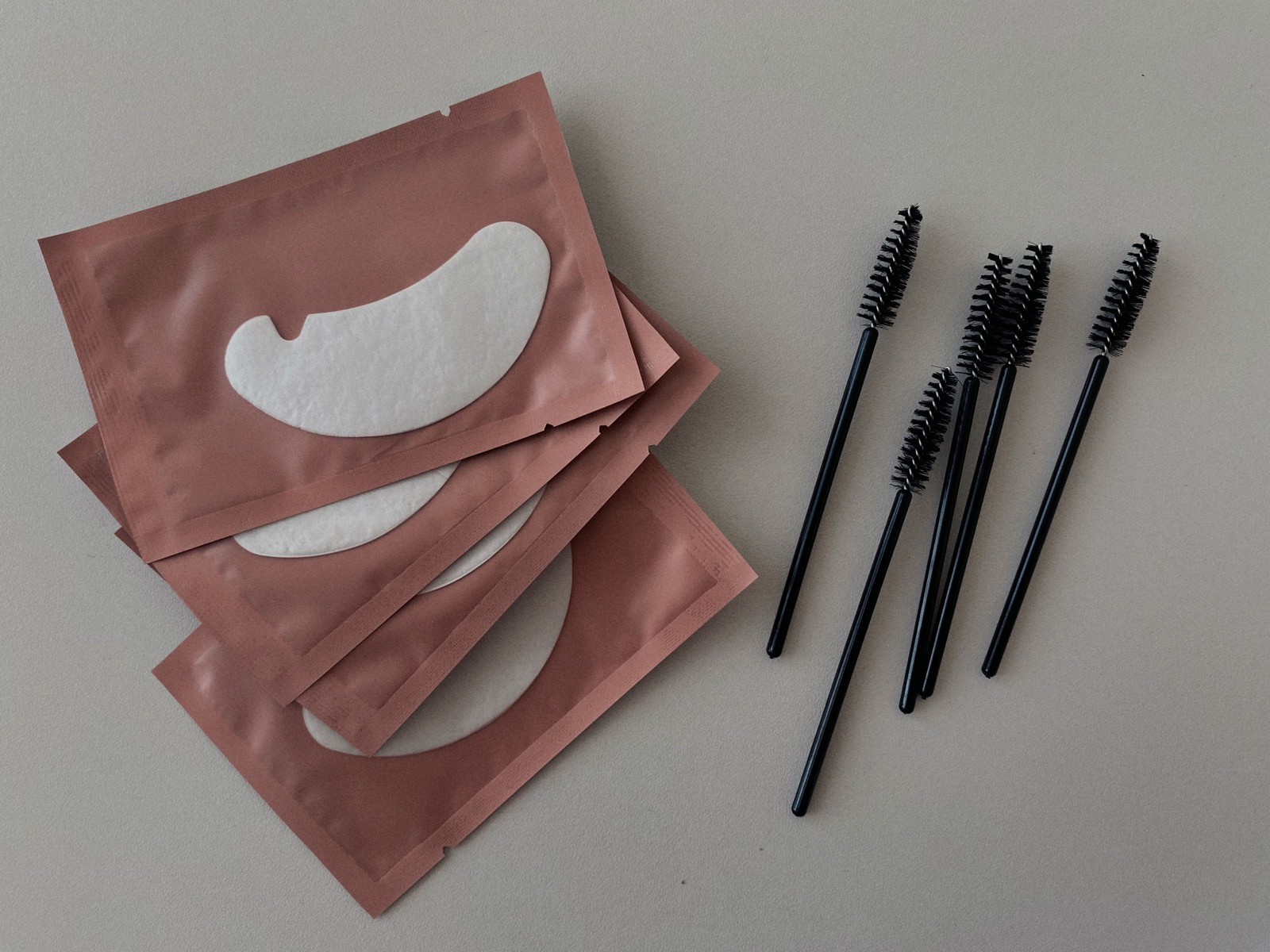
For traditional waterproof mascara, use an eye makeup remover appropriate for the formula. Hold a soaked pad gently against your closed eyelid for the time recommended on the product, then remove makeup with smooth movements and without pressing hard.
For tubing mascara, follow the manufacturer's instructions. Many formulas can be softened and removed with warm water.
Don't pull at your lashes or try to scrape away dried product.
If you develop significant redness, pain, discharge, swelling, or changes in vision, stop using eye cosmetics and seek medical advice. Severe eye pain or changes in vision require urgent medical assessment.
Frequently Asked Questions
Why does mascara smudge under only one eye?
The direction of your lashes, their contact with your skin, or a habit of touching one eye more often may explain the difference. If the problem appears suddenly alongside irritation or watering, don't automatically assume it's just your makeup.
Does setting powder under the eyes help?
Sometimes a small amount of suitable powder can reduce shine and set concealer. But powder may not help if your mascara is flaking or your lashes keep touching the skin. Take care not to get loose powder into your eyes.
Do I need to buy more expensive mascara?
Not necessarily. A higher price doesn't guarantee that a formula will suit you. The coating technology, application, product condition, and compatibility with your skincare may matter more.
Can I wear waterproof mascara every day?
You can, provided the product suits you, doesn't cause irritation, and can be removed gently. If removing it consistently requires strong rubbing, consider a different formula.
The Takeaway
If mascara keeps smudging beneath your eyes, that doesn't necessarily mean it's a bad product or that you haven't spent enough money.
The four things most worth checking are contact with your skin, skincare products, how much mascara you apply, and the formula itself.
Start by changing one factor. Sometimes leaving your lower lashes bare or allowing eye cream to absorb makes a noticeable difference. And if the problem is the formula, tubing mascara may be a better fit than yet another waterproof option.
Sources & further reading
General information only; not medical, legal or financial advice.