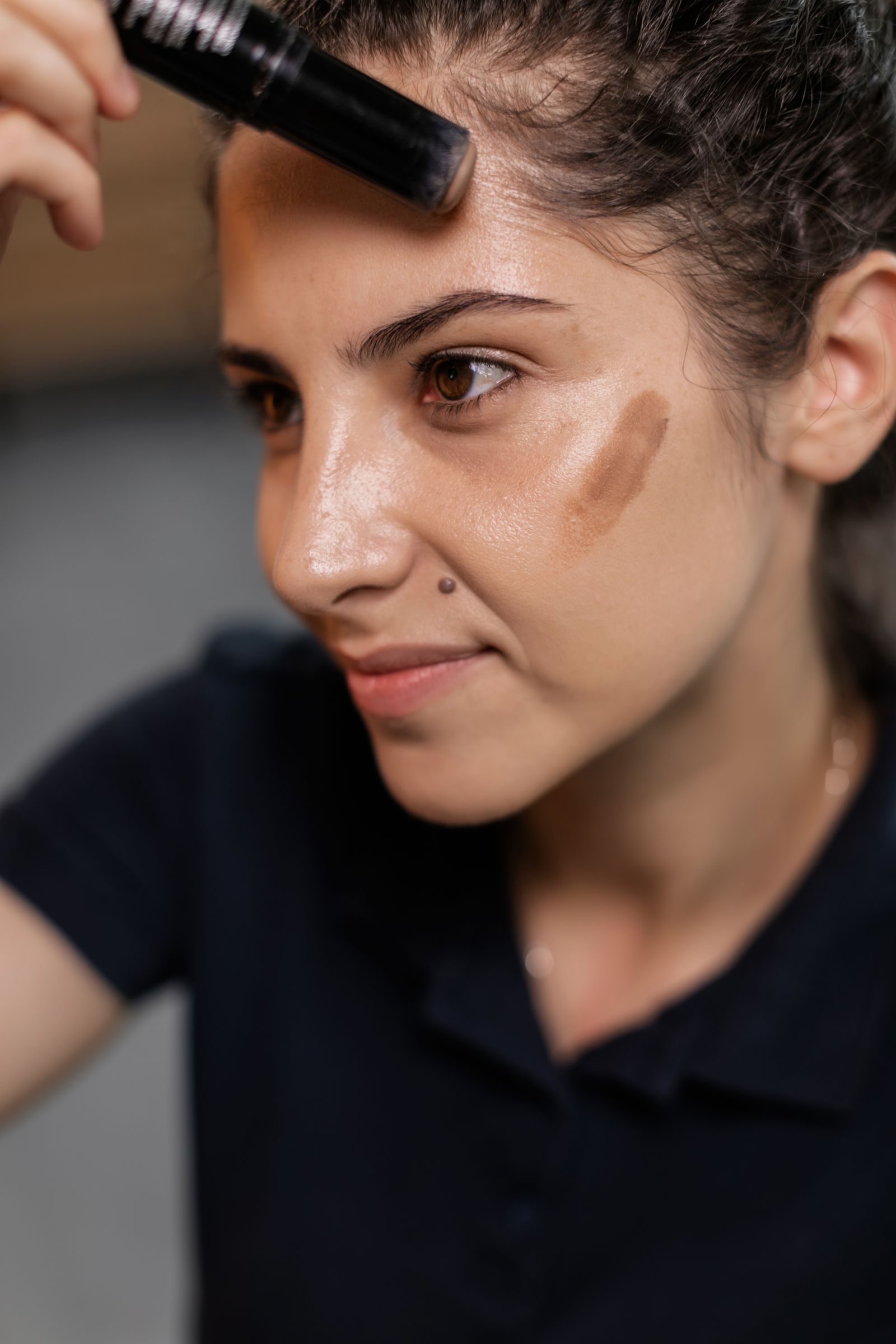
You apply foundation carefully, blend it with a sponge and set it with powder. Everything looks even—until an hour later, when the nose is shiny, the coverage has vanished in patches or tiny rolls of product have appeared.
The foundation itself is not always the problem. The nose may produce more noticeable oil than the cheeks, while its sides can still be dry. Skincare, sunscreen, primer, product quantity and friction can each change how the same formula behaves.
Before buying another bottle, identify what the coverage is actually doing. Sliding, pilling, separating and clinging to flakes are different failures and need different tests.
Why foundation behaves differently on the nose
Oil production is often more noticeable across the nose and nearby T-zone than on the cheeks. As sebum mixes with makeup during the day, a smooth layer can lose its uniform finish.
Oil is only one possibility. Some people see the product disappear from the tip of the nose; others find it gathering around the nostrils, emphasising flakes or rolling into crumbs immediately after application.
Use the pattern as a direction for testing rather than as a diagnosis. Two or more factors can be acting together.
| What you see | Possible cause | First thing to test |
|---|---|---|
| Coverage fades within one to three hours and shine appears | Sebum or repeated friction | Use a thinner layer and blot before touching up |
| Small rolls or crumbs appear while blending | Too many layers, excess product or mechanical incompatibility | Simplify the base and compare with no primer |
| Foundation separates into patches | Oil, sweat or an unstable combination of layers | Test primer and foundation separately |
| Dry flakes become more visible | Dryness, irritation or a texture that is too matte | Use gentle hydration and less product |
| Product will not sit around the nostrils | Uneven surface, dryness or application technique | Press on a very small amount locally |
| The nose looks heavy immediately | Too much coverage at once | Remove excess and build only if needed |
Seven reasons foundation will not stay on your nose
1. Sebum breaks up the layer
If the nose becomes shiny and the colour seems to dissolve after a few hours, sebum may be mixing with the foundation. This can happen on combination and oily skin, but a nose can also be oilier than otherwise normal or dry cheeks.
Try a light moisturiser, a small amount of foundation and, if your skin tolerates it, a little powder or mattifying primer only on the nose. Blot excess oil during the day instead of rubbing it away. Aggressive cleansing that leaves the skin tight is not a useful solution.
2. The layers are pilling
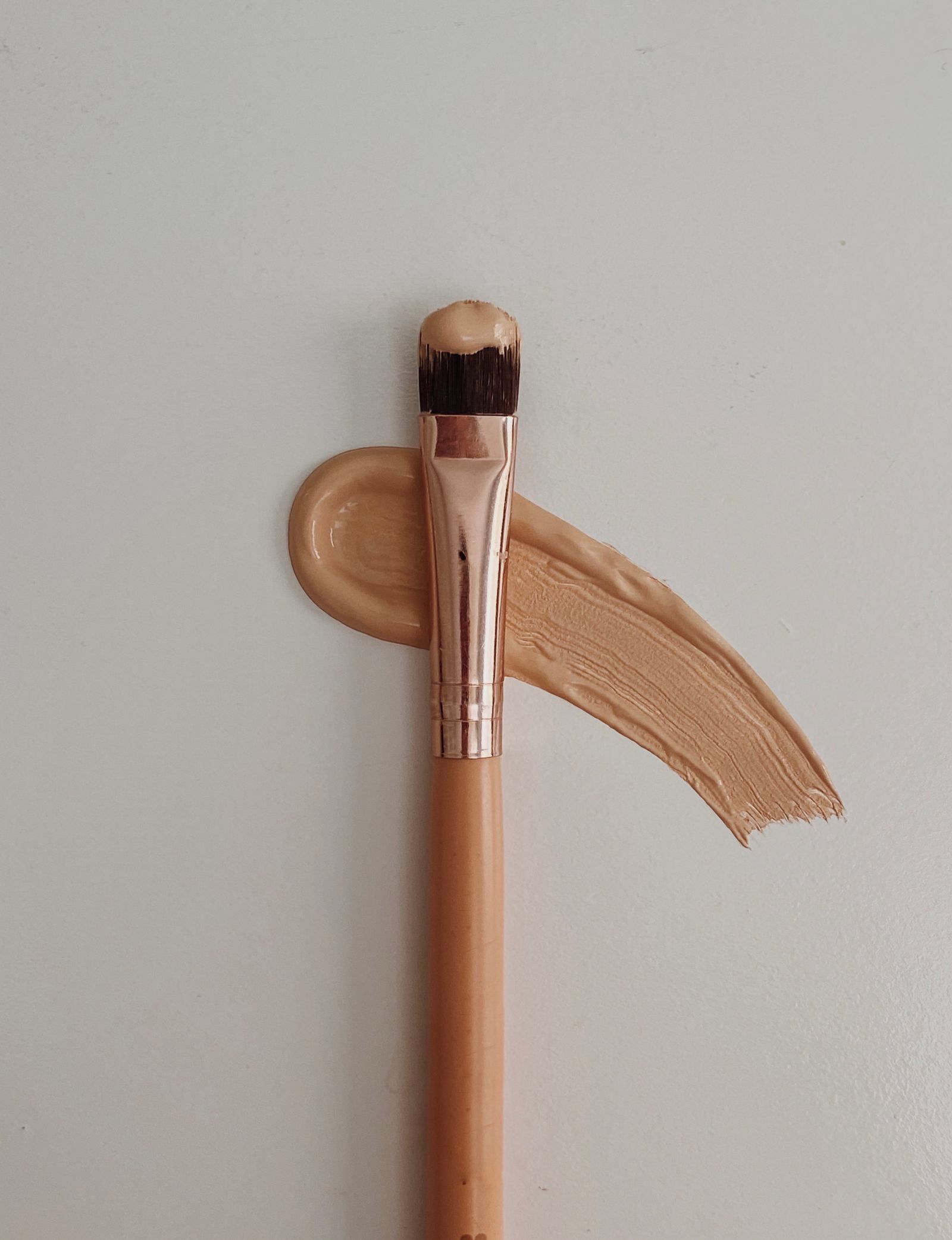
Pilling happens when skincare, sunscreen, primer or foundation rolls into small crumbs as it is moved across the skin. Too much product, prolonged rubbing and the way complete formulas interact can all contribute.
The rule that every water-based product conflicts with every silicone-based product is too simple. Compatibility depends on the whole formula and how the layers are applied. Reduce the number and amount of products, let each layer settle as its instructions recommend, and press rather than repeatedly rub the foundation.
3. The sides of the nose are dry or irritated
The centre of the nose can shine while the creases at the sides are flaky. A dense matte base may catch on those scales and make them look more obvious. Add neither a thick coat of foundation nor more powder. Use gentle care and the smallest useful amount of coverage.
Persistent redness, burning, pain or marked flaking deserves medical advice rather than repeated cosmetic experiments.
4. Primer is making the result worse
Primer is optional. Some foundations sit better directly over suitable moisturiser and sunscreen than over an additional layer. Compare one similar day with primer and one without while keeping everything else the same.
5. There is too much foundation on the nose
A heavier coat does not necessarily last longer. It can emphasise pores, collect around the nostrils and move more easily. Blend the face first, then use only what remains on the sponge or brush for the nose. Add another very thin local layer only if it is needed.
6. Sunscreen and makeup are not working well together
If makeup pills as soon as it goes over sunscreen, the problem may be the combination, the number of extra layers or vigorous rubbing. Do not reduce sun protection to make makeup last. Apply sunscreen according to its instructions, allow it to form an even layer and test a gentler application method or another compatible combination.
7. Glasses, tissues and hands remove the coverage
Nose pads, wiping and unconscious touching gradually lift makeup. This is especially visible on the bridge. A thinner layer and small local touch-up can help, but no foundation can remain perfectly intact under constant friction.
If your morning base already contains several products, start by simplifying it with this guide to a simple facial skincare routine.
How to apply foundation to the nose so it lasts better
There is no universal technique for every skin type, but a controlled sequence makes problems easier to identify. Treat the nose as its own zone rather than automatically giving every part of the face the same amount of moisturiser, primer, foundation and powder.
For an oily nose, test a mattifying base only where it is needed. For dry creases, use a more comfortable foundation texture and very little powder. Change one variable at a time.
| Stage | What to do | What to avoid |
|---|---|---|
| Cleansing | Use a gentle cleanser | Harsh degreasing that leaves skin tight |
| Moisturising | Use an amount and texture suited to the skin today | A thick slippery layer |
| Daytime sunscreen | Apply it according to the product instructions | Using less protection for the sake of makeup |
| Primer | Use it only if the comparison test shows a benefit | Several heavy base layers |
| Foundation | Build with very small amounts | Applying a dense coat at once |
| Setting | Dust lightly only where needed | Heavy powder over dry areas |
How to repair foundation on the nose once it has broken down
If the coverage has already separated, adding another thick coat usually traps the damaged texture underneath. First remove oil or the unstable patch; then rebuild only the small area that needs it.
Glasses create a predictable friction point. Treat the bridge as a touch-up zone rather than trying to eliminate all transfer with more powder.
| Problem | What to do | What not to do |
|---|---|---|
| Shine, but some foundation remains | Press on blotting paper, then add a trace of powder if needed | Layer powder directly over visible oil |
| Patchy separation | Remove the unstable patch and reapply a tiny amount | Rub new product through old layers |
| Pilling | Lift away the rolls and rebuild the area | Add another thick layer |
| Dry flakes look worse | Remove excess coverage and restore comfort | Add mattifying powder |
| Glasses removed the bridge coverage | Touch up locally with minimal product | Expect friction to leave no mark at all |
For another example of makeup moving because of oil, skincare and contact, read why even waterproof mascara can smudge under the eyes.
A three-application test to find the cause
You do not need to replace the whole makeup bag at once. Test three applications on separate days under broadly similar conditions and photograph the nose in the same light after two and four hours.
Day one is your normal routine. On day two, remove primer but keep everything else. On day three, restore the usual base and change only the amount of foundation. A notes app is enough to record what happened.
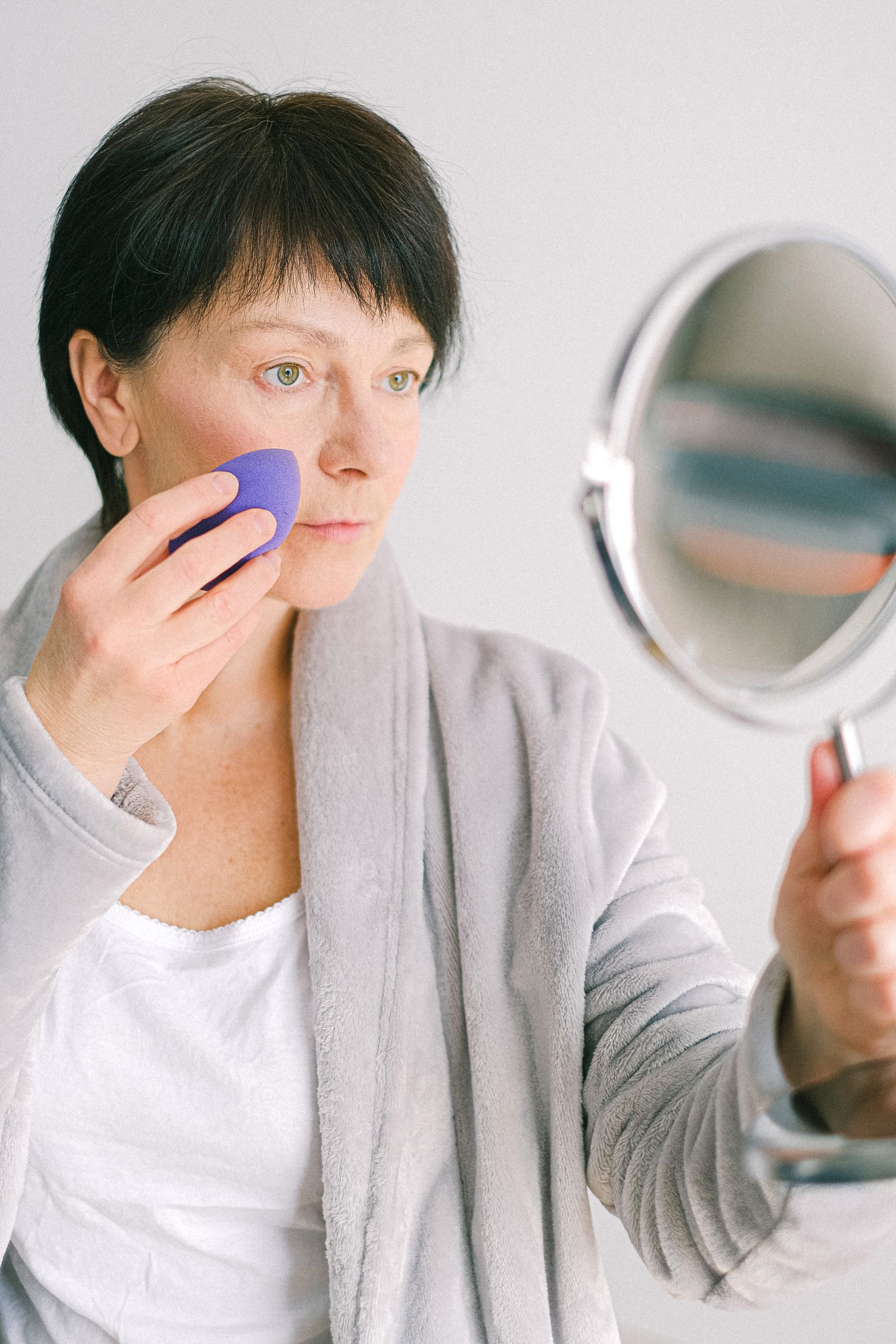
This is not a laboratory experiment and it cannot prove a chemical incompatibility. It can, however, reveal whether primer or product quantity is a useful place to start.
| Day | Single change | After 2 hours | After 4 hours |
|---|---|---|---|
| 1 | Nothing: use the normal routine | Record the result | Record the result |
| 2 | Remove primer | Record the result | Record the result |
| 3 | Use the thinnest practical foundation layer | Record the result | Record the result |
Do you need to buy a new foundation?
Not necessarily. If a foundation looks good on the cheeks and fails only on the nose, first test skincare, quantity and application. A new formula becomes a reasonable option when the current one repeatedly feels uncomfortable or still gives an unsatisfactory result after controlled adjustments.
A high price and a ‘24-hour wear’ claim do not guarantee an ideal finish on every skin, with every sunscreen, under every condition.
Frequently asked questions
Why does foundation fail on my nose but look fine on my cheeks?
Oil level, surface texture and friction can differ by area. The nose may also be receiving more product or a different application pressure.
Why does foundation pill immediately on my nose?
Common starting points are too much skincare, an unstable combination of layers or prolonged rubbing. Compare fewer layers and one day without primer.
What if my nose is oily and foundation disappears?
Start with light care, a thin foundation layer and local setting. During the day, blot instead of rubbing.
Should I powder my nose?
A small amount can help control shine if the skin tolerates it. Heavy powder usually makes dry texture more visible.
Can I wear foundation without primer?
Yes. Primer is optional, and some foundations perform better without it.
Why does foundation pill over sunscreen?
The layers may be moving because of their combination, quantity or application. Keep the recommended sunscreen use and test a more compatible routine instead of reducing protection.
Why will foundation not stay around my nostrils?
Dryness, local oil, uneven texture, friction or excess makeup may all contribute. The visible pattern tells you which test to begin with.
Sources & further reading
General information only; not medical, legal or financial advice.