
A period-tracking app can make the body feel more legible. Dates form a pattern, symptoms acquire context and the next cycle appears as a neat prediction on the screen. That record can be genuinely useful—but a prediction is not the same thing as a measurement of ovulation or a diagnosis.
Cycles vary between people and can also vary for the same person. Travel, illness, stress, sleep changes, contraception and life stages may all alter the pattern. Tracking works best as a personal record that supports questions, not as a device that removes uncertainty.
Record consistently and interpret cautiously
Note the first day of bleeding, duration, flow changes and symptoms that affect daily life. If relevant, record medication changes, contraception and major stress or illness. Use simple terms you can apply each month rather than a complicated system you will abandon.
Many apps predict the next period from previous cycle lengths. Cycles can vary, and prediction accuracy depends on the data and method. Calendar estimates alone should not be treated as reliable contraception or proof of ovulation.
A cycle is a pattern, not a stopwatch
The cycle is coordinated by hormonal signals between the brain and ovaries, and its timing can shift. Illness, major stress, travel, changes in energy intake, some medications, pregnancy and the years around menopause may all alter bleeding or ovulation. Variation does not automatically mean disease, but a meaningful change deserves context.
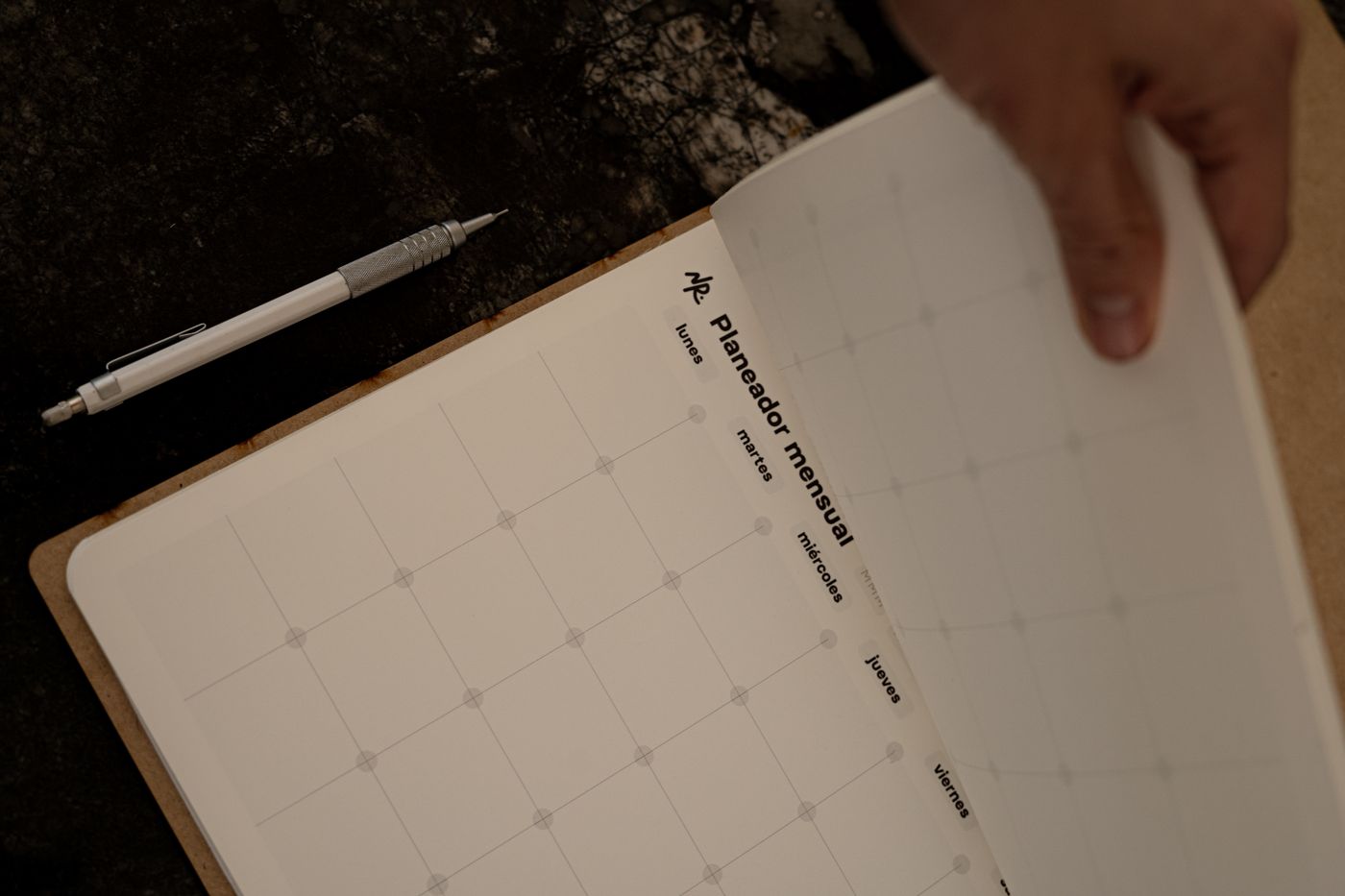
The first day of bleeding is usually easier to observe than ovulation. An app can calculate an expected date from earlier entries, but an average cannot see what is happening in the body this month. That distinction matters especially when pregnancy prevention or conception is the goal.
Useful records capture impact, not only dates
A row of calendar dots tells only part of the story. Note whether pain interrupts sleep, whether bleeding changes work or school plans, and whether symptoms appear at a similar point each cycle. Functional detail helps a clinician understand severity without requiring you to remember everything in the appointment.
Tracking should remain optional and proportionate. If detailed logging increases anxiety or makes every sensation feel like a warning, a simpler record may be more useful. The best tool is the one that clarifies your experience without claiming certainty it cannot provide.
Bring patterns to care and protect private data
A short record can make a medical conversation more concrete: when symptoms occur, how long they last and what they interrupt. Avoid diagnosing yourself from one unusual month.
Cycle data can be intimate. Review an app’s privacy controls, export and deletion options before entering details. A paper calendar or private local note may be enough if you do not need cloud features.
- Seek urgent help for severe pain with fainting, heavy bleeding with weakness, or possible pregnancy with significant pain.
- Discuss bleeding between periods, consistently very heavy bleeding or major new changes with a clinician.
- Use local medical guidance because thresholds and services vary.
Sources & further reading
General information only; not medical, legal or financial advice.