Overwhelm does not always arrive as one obvious crisis. It can build from unanswered messages, several small decisions, noise, poor sleep and the sense that every task is equally urgent. When attention is stretched that far, even choosing where to begin becomes another demand.
The first useful move is not to optimise the whole week. It is to reduce the number of things the mind must hold at once, identify what is truly time-sensitive and create one small point of control. That is a reset, not a promise that every source of pressure can be solved immediately.
Create space before making decisions
Pause non-urgent notifications, sit somewhere physically supported and slow the pace of new decisions. Eat, drink water or take prescribed medication if a basic need has been missed. This is not a cure; it lowers avoidable noise.
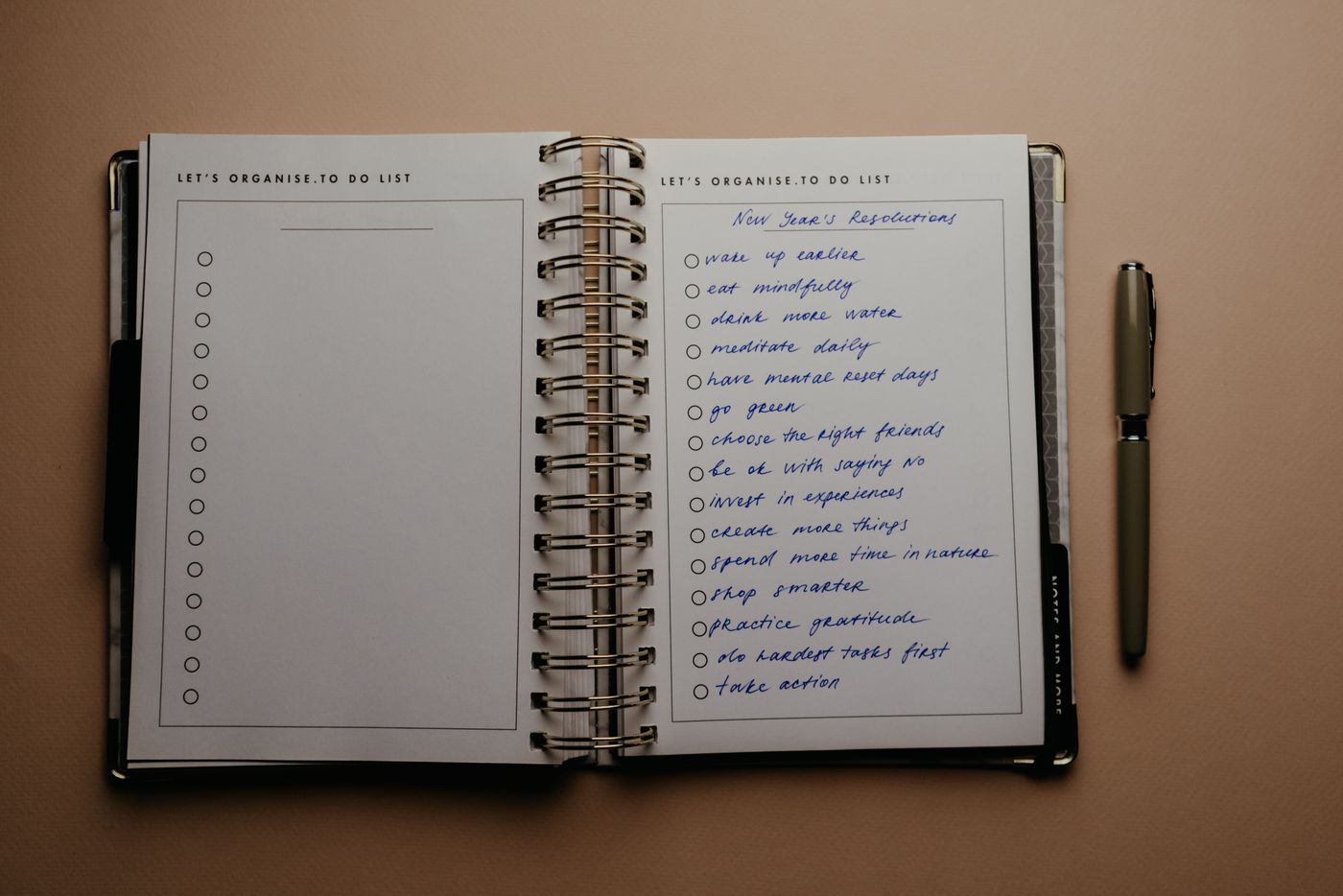
Write every unfinished concern in rough language. Do not organise while capturing. Then mark what is genuinely time-sensitive, what can wait and what belongs to another person. Your mind no longer has to rehearse the full list.
Overwhelm is not simply a long list
Two people can face the same number of tasks and experience them very differently. Uncertainty, emotional stakes, constant interruption and the belief that everything is urgent add cognitive load beyond the work itself. The mind keeps reopening unfinished loops, using attention before any task has begun.

This is why advice to ‘just prioritise’ can fail in the moment. Prioritising is itself a decision, and decision-making becomes harder when the system is already overloaded. The first useful move may be to lower stimulation and make the field of choices smaller.
A reset creates traction, not a total solution
Writing three items on paper, drinking water or completing a two-minute action can restore a sense of sequence. It should not be used to pretend that an impossible workload is a personal organisation problem. Sometimes the honest solution is renegotiating a deadline, asking for help or dropping a commitment.
Persistent overwhelm can also accompany anxiety, depression, burnout, ADHD, grief or physical illness. A short grounding routine may help today without explaining the pattern. If distress continues, daily functioning declines or you feel unsafe, seek appropriate professional or urgent support in your area.
Choose the next stabilising step and notice the limit
Pick one action that makes the next hour easier: send a delay message, start laundry, open the document or clear a surface. Stop after ten minutes if needed. The goal is traction, not completing your life.
Frequent overwhelm, panic, inability to function or thoughts of self-harm deserve professional support. If you are in immediate danger, contact local emergency or crisis services. An article cannot assess your situation.
- One task that prevents harm or a deadline.
- One task that supports your body.
- One task you explicitly postpone.
Sources & further reading
General information only; not medical, legal or financial advice.