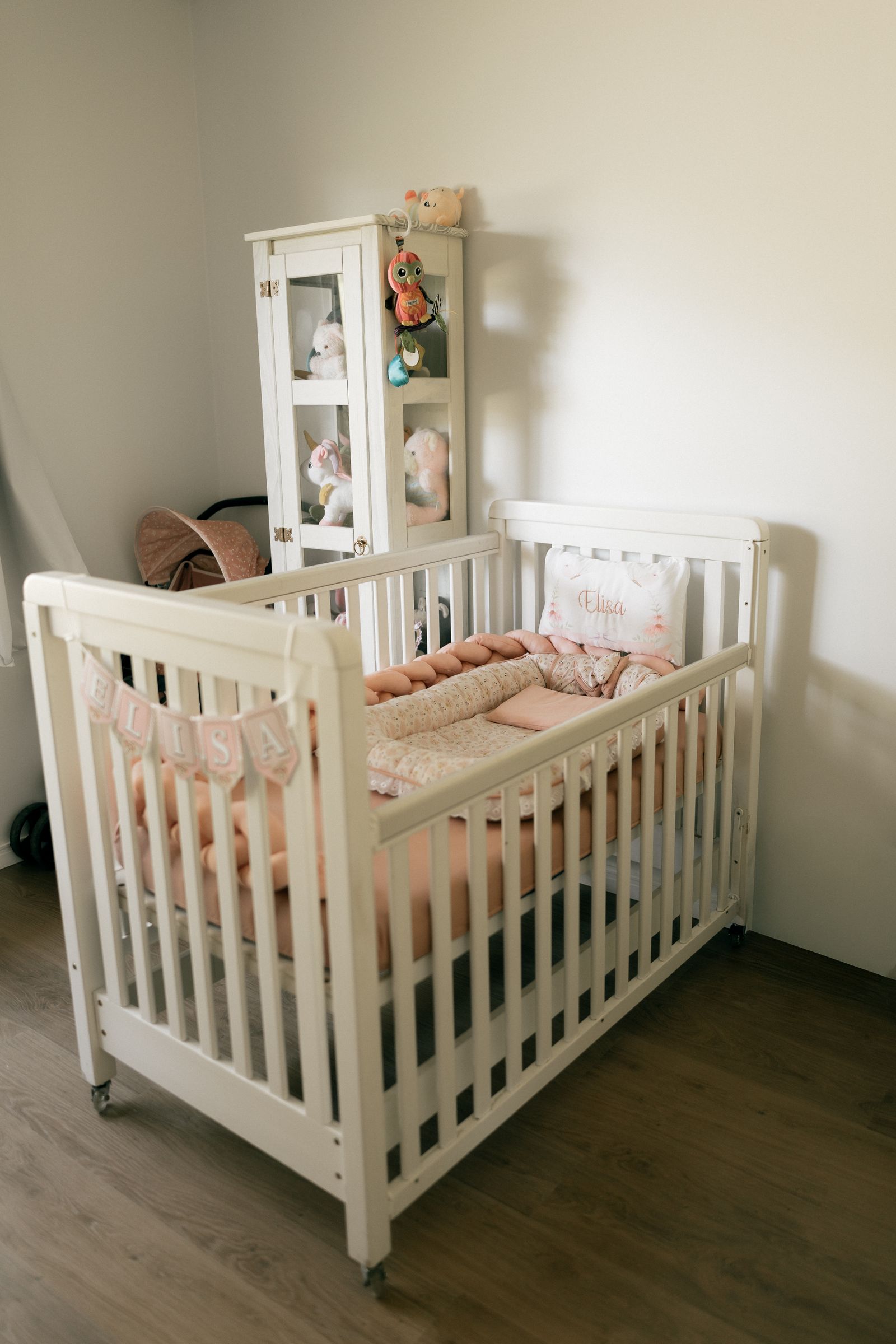
A timetable that looks reassuring on paper can fall apart before breakfast with a toddler. Sleep changes, a meal takes longer, leaving the house becomes a negotiation and the adults begin watching the clock more closely than the child’s signals.
Predictability still matters at this age, but it does not require scheduling every minute. A flexible routine uses a few recognisable anchors—meals, rest, movement and the bedtime sequence—so the child can anticipate what comes next while the family retains room for real life.
Build around anchors and transitions
Choose a few stable points: wake-up range, meals, nap or quiet time, outdoor movement and bedtime sequence. Keep the order more consistent than the exact minute. Predictability helps transitions without turning the clock into a battle.
Use the same short warning and a visible action: ‘two more turns, then shoes’, a timer, a tidy-up song or choosing which book comes upstairs. A warning does not guarantee agreement, but it makes the change less abrupt.
Predictability is not rigidity
Toddlers are learning how one event leads to another while having very little control over the day. Familiar sequences—wake, breakfast, get dressed—can reduce the number of surprises and make transitions easier. The benefit comes from recognition, not from every event happening at an exact minute.

Temperament and development matter. One child adapts quickly to a missed nap; another becomes overwhelmed by a smaller change. A useful routine observes the child in front of you rather than measuring family life against a schedule designed for someone else.
Why transitions are often the hard part
Leaving the playground may be hard not because the child rejects home, but because stopping an absorbing activity requires skills that are still developing. A short warning, a repeated phrase and one small choice—walk or hold hands—can make the boundary more understandable without handing over the decision.
No routine eliminates tantrums, illness or chaotic days. When the plan breaks, return to one or two anchors such as the usual bedtime sequence or a shared meal. If sleep, eating, development or behaviour causes persistent concern, individual advice from the child’s qualified healthcare professional is more useful than a stricter timetable.
Offer choices within safe limits
Choices support autonomy when both options work for the adult: red cup or blue cup, walk or hold hands, bath before or after the story. Avoid offering a choice when the outcome is not optional.
Toddlers are still learning language, impulse control and emotional regulation. A routine reduces demands but does not remove big feelings. Persistent sleep, feeding, development or behaviour concerns should be discussed with an appropriate health professional.
- Plan active play before long seated periods.
- Keep snacks and rest responsive to the child’s needs.
- Use a simple return point after disruption.
Sources & further reading
General information only; not medical, legal or financial advice.